Casting a fishing line is the foundation of every angler’s skill set. Whether you’re launching a lure into a lake, dropping bait near a rocky shoreline, or delicately presenting a fly to rising trout, how to cast a fishing line properly determines your success. Poor casting leads to tangles, short throws, missed spots, and spooked fish. But with the right technique, anyone can master accurate, smooth casts.
This guide breaks down how to cast a fishing line for every reel type, from beginner-friendly spin-cast rods to precision baitcasters and finesse-focused fly setups. You’ll learn stance, release timing, common mistakes, and pro tips to increase distance and accuracy.
Master Your Casting Stance and Safety
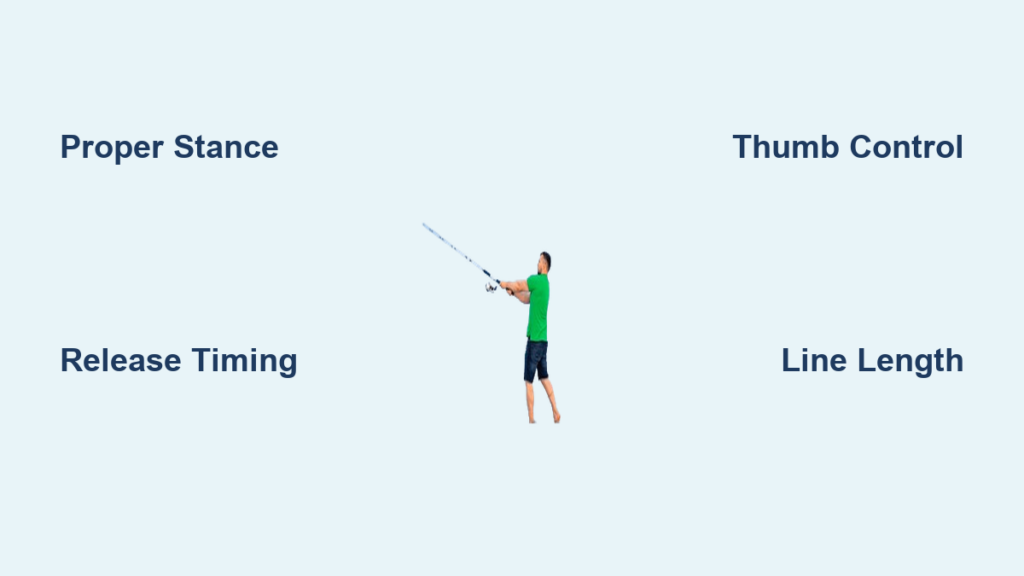
Proper Body Positioning
Stand with feet shoulder-width apart and knees slightly bent for balance. If you’re right-handed, place your left foot forward and angle your body toward the target. Keep your head up and eyes on where you want the lure to land.
Hold the rod at eye level during setup. This ensures consistent starting position and helps align your cast. Before moving the rod, always perform a 360-degree safety check by looking behind, beside, and above to avoid hooking people, trees, or structures.
Grip the Rod Correctly
Use a firm but relaxed grip when you hold the rod. Wrap your dominant hand around the handle, with your index and middle fingers resting over the reel foot. This positioning improves control and allows quick access to the line or spool.
Avoid death-gripping the rod. Excess tension reduces feel, decreases accuracy, and increases fatigue during long fishing sessions.
Prepare Your Reel for Casting
Set Line Length from Rod Tip
Before casting, extend 2 to 4 feet of line beyond the rod tip. For spinning reels specifically, leave 6 to 8 inches between the lure and tip to ensure proper rod loading.
Too little line prevents the rod from bending effectively. Too much line risks tangles and reduces control over your cast.
Engage the Correct Reel Mechanism
Each reel type requires different preparation before casting.
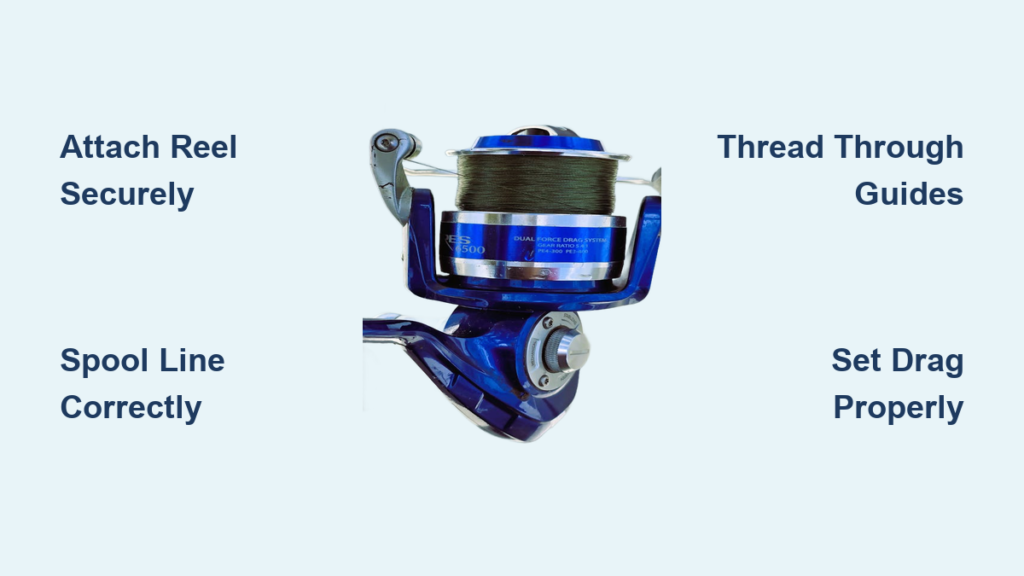
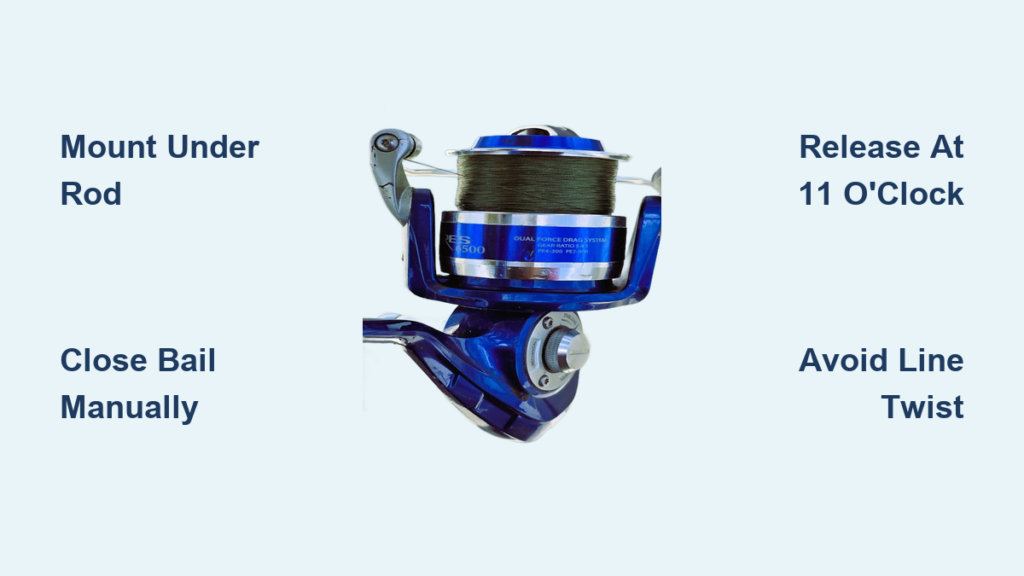
For spinning reels, flip the bail open with your non-dominant hand. For baitcasting reels, disengage the spool brake or thumb bar. For spin-cast reels, press and hold the rear-mounted button to lock the line in place.
Ensure the line moves freely when released but remains taut. Slack line causes tangles and poor presentation.
Control Line with Your Finger or Thumb
Spinning Reel Index Finger Technique
Pinch the line lightly against the rod handle with your index finger. Do not grip tightly. Just enough pressure prevents premature release. This finger acts as your brake during the cast.
When the rod reaches the apex of the forward cast, lift your finger to let the line fly toward your target.
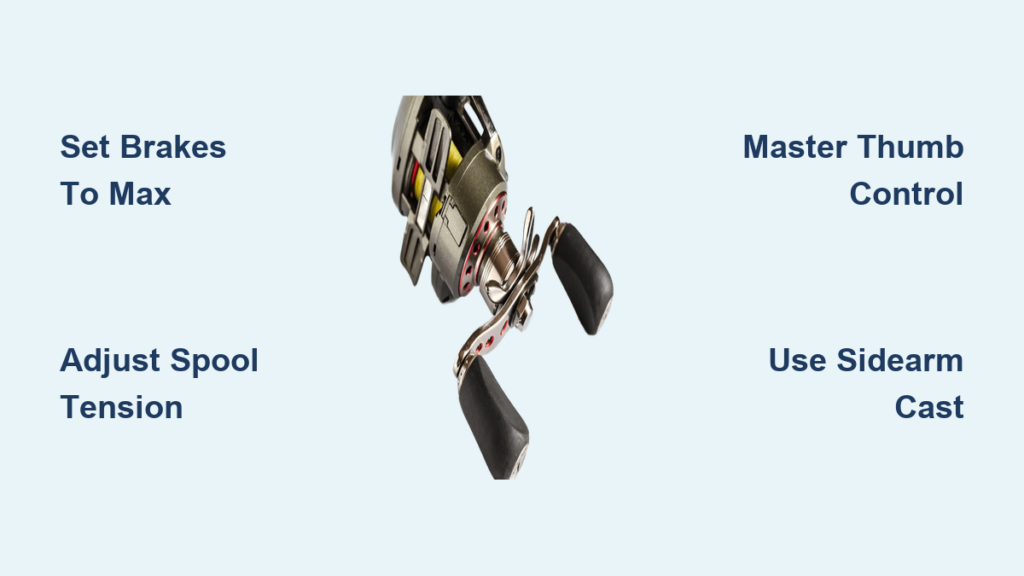
Baitcasting Reel Thumb Control
Place your thumb directly on the spool for maximum control. As the lure flies forward, gradually ease pressure to allow line to unspool smoothly.
At the end of the cast, press down firmly to stop the spool and prevent backlash. New baitcaster users often over-brake. Practice with light pressure and adjust magnetic or centrifugal brakes if available.
Spin-Cast Reel Button Release
No finger or thumb control is needed for spin-cast reels. Simply hold the button until the forward cast peaks, then release. The internal mechanism handles line release automatically.
Execute the Casting Motion Step by Step
Load the Rod with a Controlled Backswing
Bring the rod tip backward in a smooth arc. Let the lure’s weight bend the rod, which stores energy for the forward cast. Stop the backswing when the rod tip reaches eye level or the 2 o’clock position.
Going past vertical risks line slap or tangles. Keep the motion controlled. Jerky swings reduce accuracy and increase backlash risk.
Accelerate Through the Forward Cast
Push the rod forward in a single, fluid motion. Accelerate smoothly. Do not snap or jerk. Imagine drawing a straight line from backswing to target.
Align the rod tip with your intended landing zone throughout the entire stroke. This ensures accuracy and clean line deployment.
Release at the Apex of the Forward Stroke
Timing determines everything about your cast.
On spinning reels, lift your index finger at the peak of the forward stroke. On baitcasters, ease thumb pressure mid-cast, then reapply at the end to stop the spool. On spin-cast reels, release the button at the apex.
Early release sends the lure upward. Late release causes it to drop short or at your feet. Adjust release timing based on results.
Follow Through to Complete the Cast
Finish the cast by pointing the rod tip toward your target. This follow-through maximizes distance and accuracy. Do not stop abruptly. Let the motion flow naturally toward the target zone.
Manage Your Reel After the Cast
Close the Bail on Spinning Reels
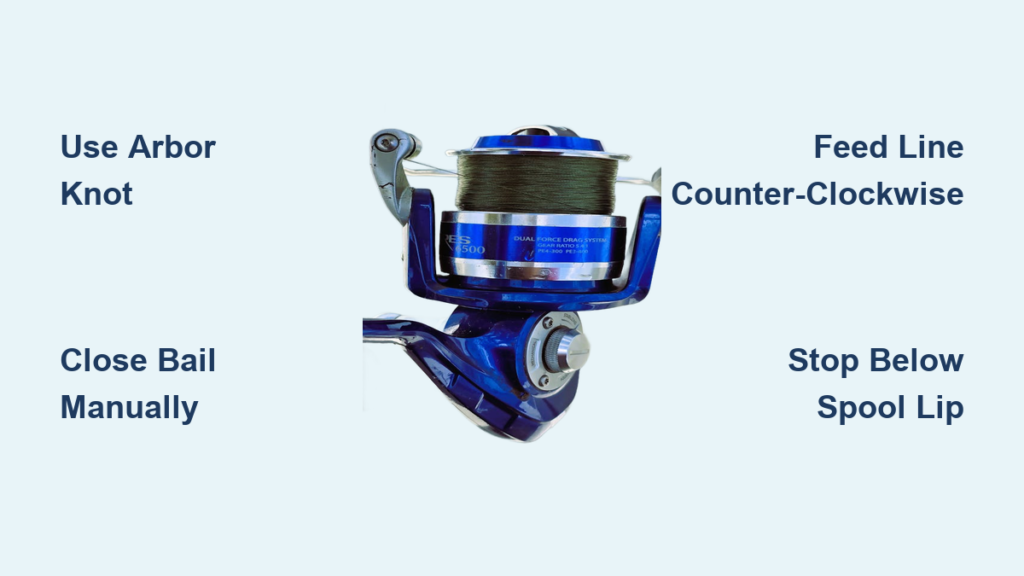
After splashdown, manually close the bail with your non-dominant hand. Never rely on the bail trip mechanism alone. Hand-closing prevents line loops, protects the bail, and prepares the reel for retrieval.
Re-Engage Baitcaster Brake
Flip the spool brake or thumb bar back into place. This locks the spool and prevents accidental line release during retrieval or when a fish strikes.
Begin Retrieval Immediately
Turn the handle to start reeling. If using a baitrunner or free-spool mode, engage the drag when a fish bites.
Cast Using Different Reel Types
Spinning Reel Casting for Beginners
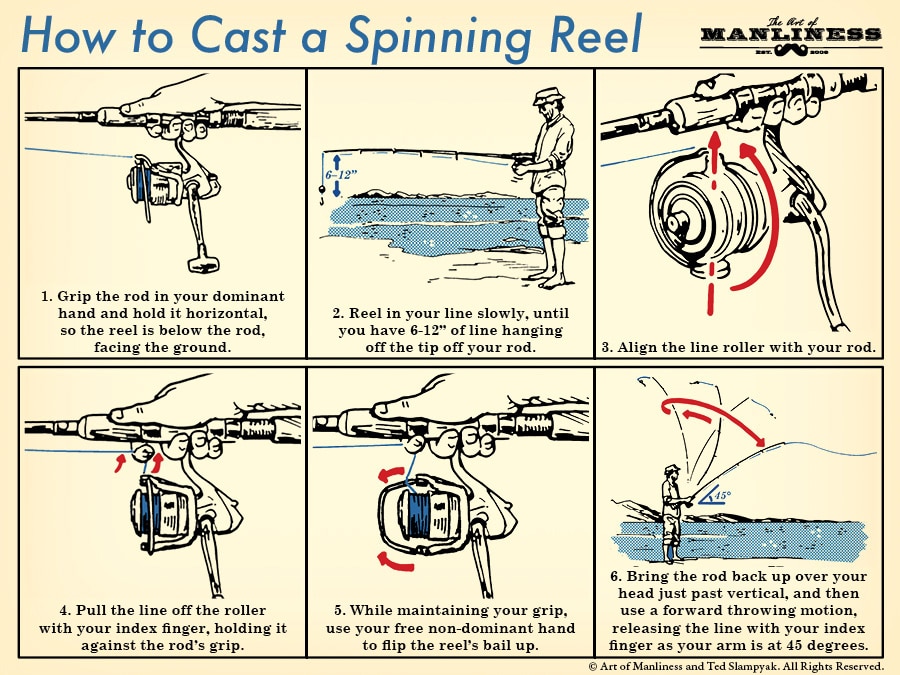
Spinning reels are the most forgiving and versatile option for new anglers. Use them for light lures, panfish, trout, and general freshwater fishing.
To cast a spinning reel, open the bail, pinch line with your index finger, backswing to load the rod, push forward smoothly, release finger at apex, then close the bail after the cast.
Recommended styles include the side cast for areas with brush or docks, the overhand cast for open water, and the roll cast for situations with overhanging trees.
Baitcasting Reel Power and Precision
Baitcasters offer superior accuracy and distance, especially with heavy lures. They’re preferred for bass, pike, and saltwater species.
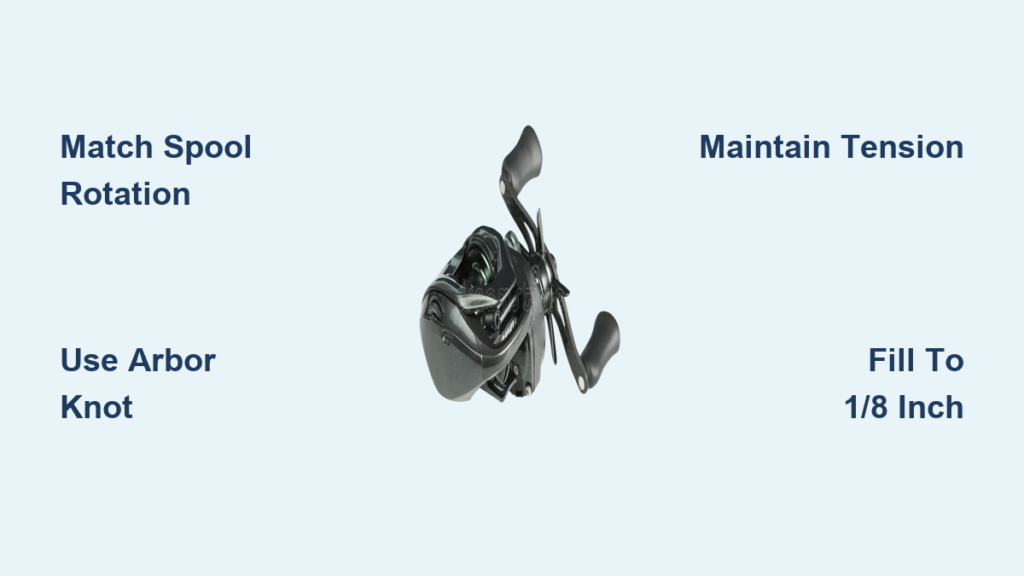
To cast a baitcaster, disengage the spool, place thumb on the spool, load the rod with a backswing, flick forward smoothly, gradually release thumb pressure, stop the spool with your thumb at the cast end, then re-engage the brake.
Prevent backlash by using thumb pressure to match line speed, adjusting magnetic or centrifugal brakes, and practicing smooth acceleration throughout the cast.
Spin-Cast Reel Simplicity
Spin-cast reels are ideal for kids and first-time anglers. The enclosed spool design prevents tangles almost completely.
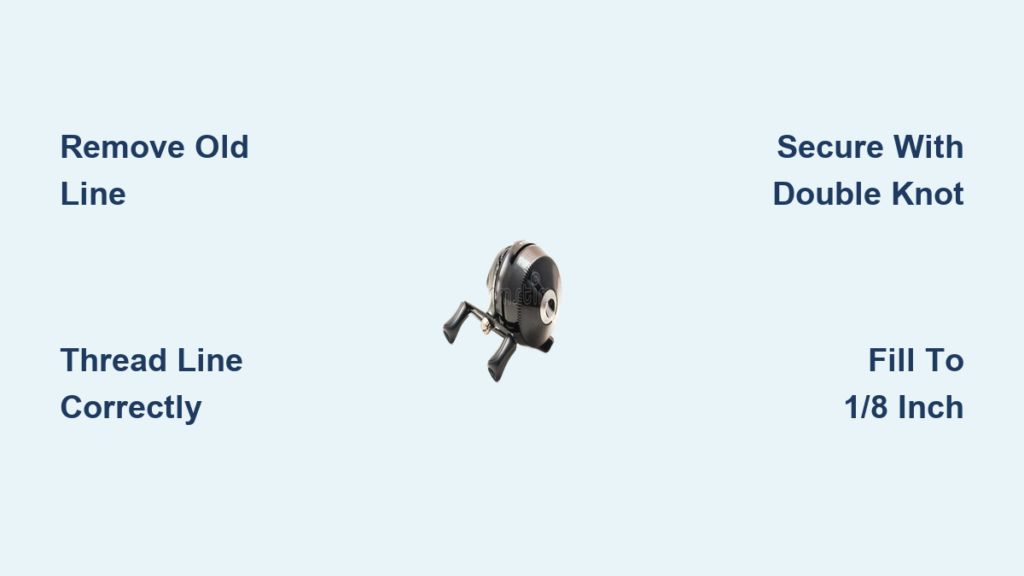
To cast a spin-cast reel, point the rod at the target, press and hold the rear button, backswing to load the rod, push forward, release the button at the apex, then begin retrieval.
The main advantages are easy learning and being virtually backlash-proof. The limitations include limited casting distance and reduced sensitivity compared to other reel types.
Fly Casting the Weighted Line
Fly rods cast the weight of the line, not the nearly weightless fly. This technique requires a tapered leader and false casting.
To perform a basic overhead fly cast, start with 30 to 40 feet of line out, perform a slow backcast letting the line straighten behind, stop the rod abruptly at 2 o’clock, accelerate forward and stop sharply at 10 o’clock, then allow the line to unfurl toward your target.
Use false casts to adjust distance. Wind significantly affects performance, so adjust timing and casting angle accordingly.
Increase Your Casting Distance

Optimize Your Body Mechanics
Shift your weight from the back foot to the front foot during the cast. Engage your core and shoulders, not just your arms. Stop the rod at 45 degrees on the forward cast to boost line speed.
Choose the Right Rod
Longer rods in the 10 to 12 foot range provide more leverage for longer casts. Use medium to medium-fast action for the best balance of power and control.
Graphite rods are lightweight and sensitive. Fiberglass rods are more durable and forgiving for beginners.
Use Lighter and Thinner Lines
Braided line in 20 to 40 pound test casts the farthest because it’s thin, strong, and has low stretch. Avoid off-brand lines, which often underperform.
Add a Shock Leader
Tie a 40 to 80 pound test leader to absorb casting stress and protect your mainline. The rule of thumb is 10 pound test per ounce of weight. For example, a 4 ounce sinker requires a 40 pound leader.
Cast Accurately in Tight Spaces
Sidearm Cast for Low Obstacles
Swing the rod horizontally for a low trajectory that avoids overhanging branches. This technique is ideal for shoreline fishing near brush or docks.
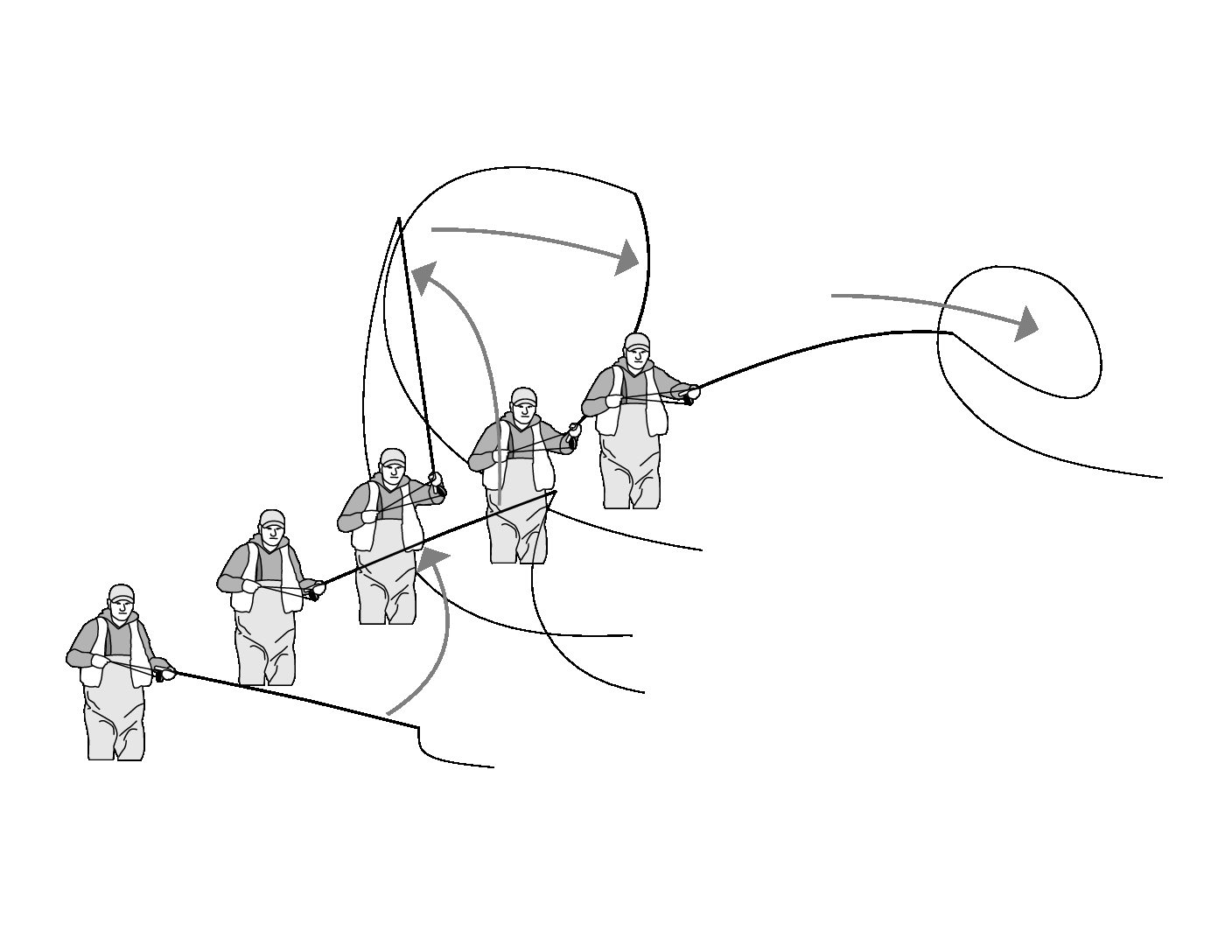
Roll Cast When Backcast Is Limited
No backcast is needed. Simply lift the line off the water in a forward loop. This technique works perfectly in mangroves, near docks, or in other areas with limited casting room.
Pitching and Flipping for Precision
Pitching is an underhand lob that’s quiet and precise for fishing in heavy cover. Flipping involves hand-feeding line with the rod tip for maximum accuracy in weeds or timber.
These techniques excel when placing bait exactly where fish hide, such as under a dock.
Fix Common Casting Mistakes
Short Cast Problems
If your cast falls short, the cause is likely late release or weak motion. Fix this by improving your timing, ensuring a full backswing, and using proper lure weight for your rod.
Lure Flies Upward
An early release causes the lure to fly upward instead of forward. Fix this by delaying your finger or thumb release until the apex of the forward stroke.
Line Tangles and Backlash
Backlash occurs when the spool spins faster than the line leaves the rod. Prevent it by applying thumb pressure, adjusting brakes, and practicing smooth acceleration.
Line Loops on the Reel
The bail not being closed after the cast causes line loops. Always close the bail manually immediately after each cast with a spinning reel.
Poor Accuracy
Inconsistent form leads to poor accuracy. Fix this by practicing aiming at specific targets and refining your grip and follow-through.
Protect Your Hands While Casting
Always wear a leather work glove or thumb guard when casting. Braided line moves extremely fast and can cause severe line burns.
The Gripper by Wells Lamont is an affordable and widely available option that prevents injury during long casting sessions. These gloves also improve grip when handling shock leaders and protect your hands when landing fish.
Maintain Your Gear for Better Casting
Clean your reels after every saltwater use. Lubricate gears and the bail mechanism per manufacturer instructions.
Inspect your line for wear and replace it every season or after heavy use. Check the drag system for smooth operation.
Store rods horizontally or vertically to prevent warping. Proper gear maintenance directly improves casting performance.
Key Takeaways for Mastering How to Cast a Fishing Line
Practice your release timing, as this is the single most impactful factor in casting improvement across all reel types. Match your lure weight to your rod for optimal efficiency, and always close the bail manually after casting with a spinning reel.
Use multiple small bait pieces instead of one large chunk to reduce wind resistance and improve flight. Pre-tie hook leaders for quick replacement after break-offs.
With the right technique, gear, and consistent practice, you’ll cast farther, more accurately, and with confidence whether you’re fishing from shore, a boat, or wading a river.
Frequently Asked Questions About How to Cast a Fishing Line
What is the proper stance for casting a fishing line?
Stand with feet shoulder-width apart and knees slightly bent. Angle your body toward the target with your lead foot forward. Keep the rod at eye level during setup and always perform a 360-degree safety check before casting.
How do I prevent backlash when using a baitcasting reel?
Prevent backlash by applying thumb pressure on the spool to match line speed, adjusting magnetic or centrifugal brakes appropriately, and practicing smooth acceleration throughout the forward cast. Avoid jerky motions that cause the spool to overrun.
How much line should extend beyond the rod tip before casting?
Leave 2 to 4 feet of line beyond the rod tip. For spinning reels specifically, maintain 6 to 8 inches between the lure and tip to ensure proper rod loading. Too little line prevents effective rod bending.
When should I release the line during a forward cast?
Release the line at the apex of your forward stroke. For spinning reels, lift your index finger. For baitcasters, ease thumb pressure gradually. For spin-cast reels, release the button. Timing is critical for distance and accuracy.
How can I increase my casting distance?
Increase distance by using longer rods (10 to 12 feet), lighter diameter lines like braided line, aerodynamic sinkers, shock leaders, and proper body mechanics. Shift weight from back to front foot and engage your core during the cast.
Do I need to close the bail after every cast with a spinning reel?
Yes, always close the bail manually immediately after the cast. Relying on the automatic bail trip mechanism can cause line loops and tangles. Hand-closing prevents these issues and prepares the reel for retrieval.