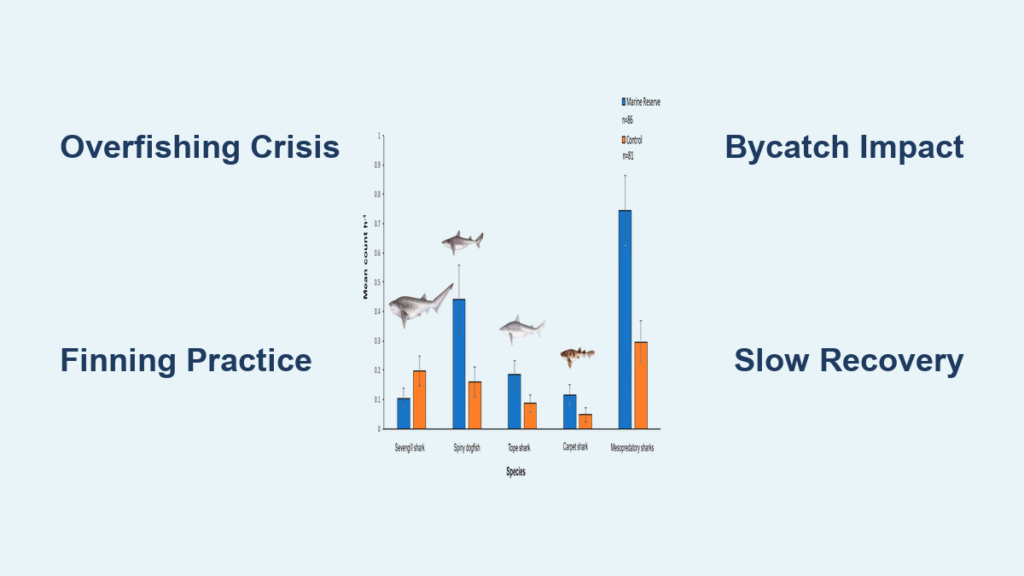
Every year, an estimated 100 million sharks are removed from the world’s oceans, most directly as a result of commercial fishing. This staggering number represents more than a statistic; it signals a global biodiversity crisis driven by industrial-scale operations, high market demand, and weak enforcement. Sharks, as apex predators, play a vital role in maintaining the balance of marine ecosystems, yet their slow growth, late maturity, and low reproductive rates make them exceptionally vulnerable to overfishing. Understanding how commercial fishing affects sharks is essential for anyone concerned about ocean health.
This article explores the biological, ecological, and regulatory dimensions of shark population decline. You will learn why sharks cannot recover quickly from overfishing, which fishing methods pose the greatest threat, and what conservation efforts are underway to reverse these trends before more species vanish forever.
Shark Population Declines: A Global Crisis
71% Drop in Oceanic Sharks Since 1970
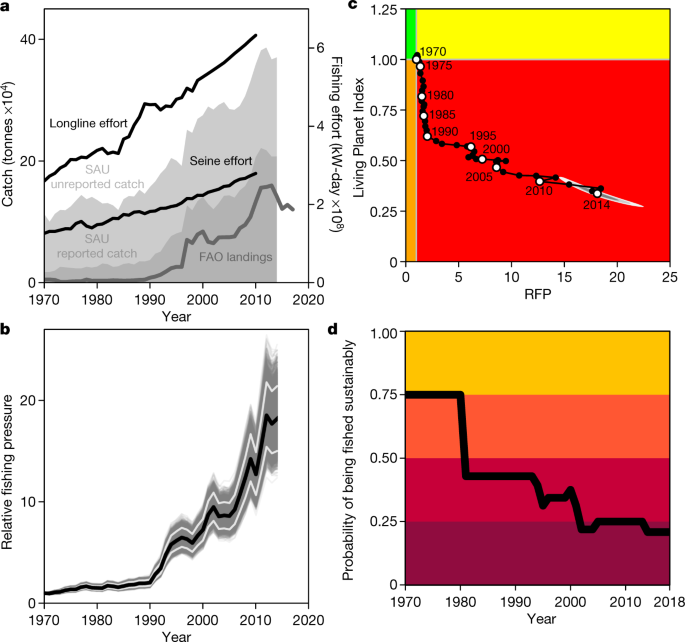
Between 1970 and 2018, the global abundance of oceanic sharks and rays plummeted by 71%, according to comprehensive scientific analysis. This collapse correlates directly with an 18-fold increase in industrial fishing pressure over the same period. Three-quarters of all oceanic shark and ray species are now classified as threatened with extinction on the IUCN Red List. The Oceanic Whitetip Shark, once described as “extraordinarily common” in the mid-20th century, has seen its population drop by more than 98% in some regions and is now listed as Critically Endangered.
391 Shark and Ray Species at Risk
Of the approximately 1,200 known species of sharks, rays, and chimaeras, 391 are currently threatened with extinction. Alarmingly, 100% of these threatened species are impacted by overfishing. For 67.3% of all shark and ray species, overfishing is the only threat they face. This includes species like the Giant Guitarfish and Wedgefish, both heavily targeted for their high-value fins. At least three shark and ray species are likely already globally extinct due to overfishing, with several others extirpated from most of their historical ranges, including the Angelshark, which disappeared from the North Sea by the 1970s.
Industrial Fishing Outpaces Natural Recovery
Even when fisheries are not targeting sharks directly, industrial operations continue to deplete them. Pelagic sharks now make up 52% of the identified shark catch worldwide, largely as bycatch in tuna and swordfish fisheries. These target species reproduce faster than sharks, so the fishery remains economically viable even as shark populations collapse. This creates a dangerous dynamic where sharks are fished to local or global extinction while the industry continues operating, often unaware or indifferent to the ecological cost.
Why Sharks Cannot Withstand High Fishing Pressure
Slow Growth and Late Maturity
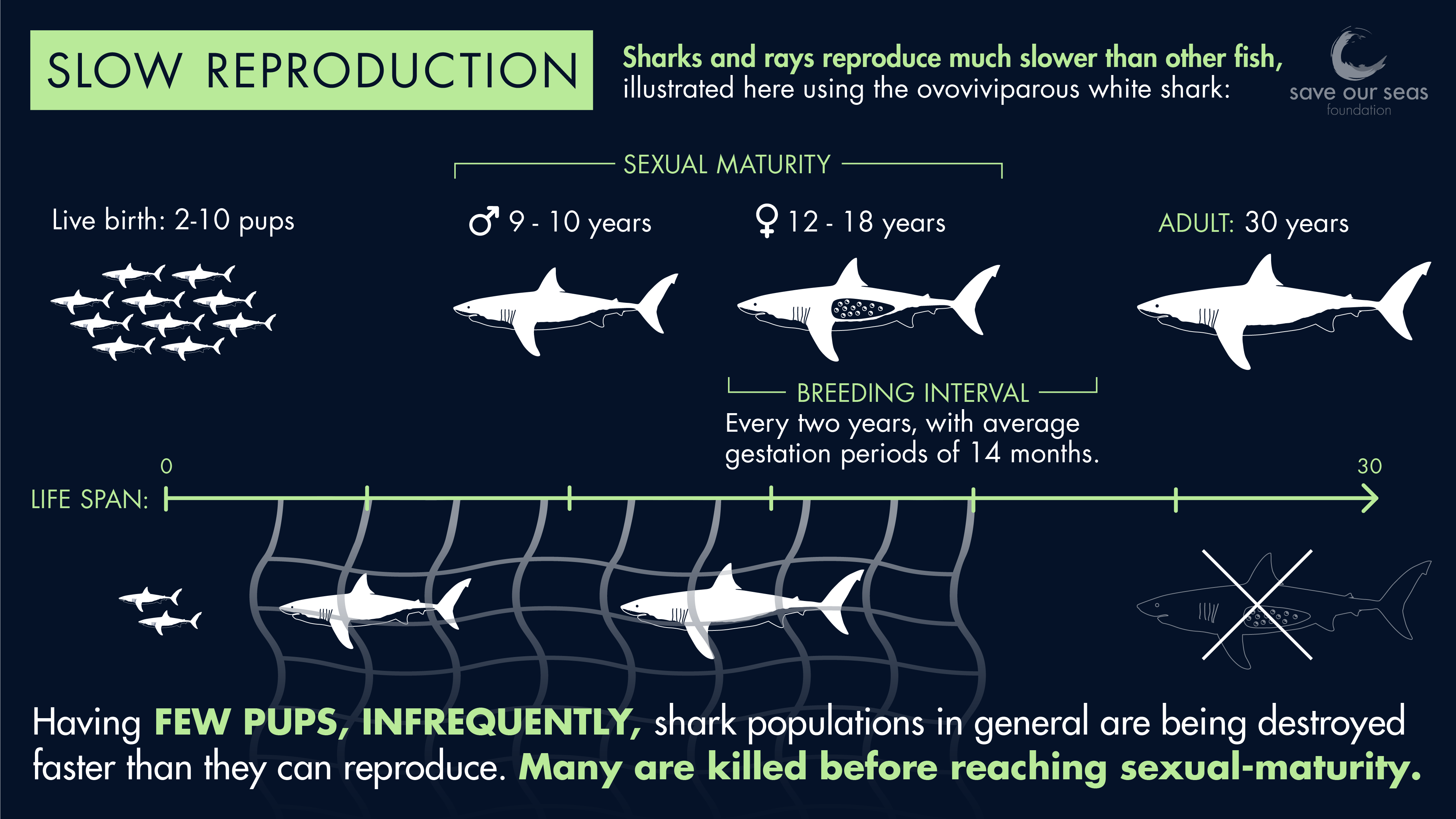
Sharks grow slowly and mature late, traits that make them extremely vulnerable to overfishing. Many species do not reach sexual maturity until well into adulthood, meaning they are often caught before reproducing even once. The Greenland Shark lives around 400 years and does not become sexually mature until approximately age 150. Even more common species like the Sand Tiger Shark may take 15 years to mature. When juveniles and adults are removed faster than new ones can replace them, populations inevitably decline.
Long Gestation and Low Birth Rates
Shark pregnancies are among the longest in the animal kingdom, averaging 9 to 12 months. The Greeneye Dogfish holds the record at 31 months, one of the longest gestation periods known. Combined with low fecundity, this severely limits population growth. Most shark litters range from 2 to 15 pups, with only a few species like the Blue Shark producing up to 135. In contrast, bony fish like cod release millions of eggs annually. This stark difference means shark populations simply cannot rebound from high mortality rates the way other fish can.
Decades-Long Recovery Times
Due to their life history, shark populations require decades to recover from overfishing, even under strict protection. For species like the Porbeagle or Scalloped Hammerhead, modest reductions in fishing pressure may not be enough to prevent extinction. Recovery models suggest that without aggressive intervention, some populations could take 50 to 100 years to return to sustainable levels. This slow pace makes preemptive conservation essential; waiting until a species is critically endangered often means it is too late.
How Commercial Fishing Targets Sharks
Directed Fisheries: Fins, Meat, and By-Products
While many sharks are caught incidentally, directed fisheries exist where sharks are the primary target. The main drivers are economic. Shark fins command high prices, with Wedgefish fins selling for up to US$964 per kg, making them one of the most valuable seafood products by weight. Shark meat is increasingly popular in global markets, sold in the U.S., Europe, Japan, and Australia. In tropical developing nations like the Union of Comoros, shark and ray meat provides 60 to 70% of animal protein. By-products like liver oil (squalene) are used in cosmetics and vaccines, skin becomes leather, and cartilage is marketed as supplements.
Finning: The Cruel Practice Behind the Trade
Finning, cutting off a shark’s fins and discarding the body at sea, is one of the most wasteful and inhumane practices in commercial fishing. Because fins are compact and valuable while the rest of the shark is bulky and less profitable, vessels often remove only the fins and throw the live animal back into the ocean to die slowly. Although banned in many countries including the U.S. and EU, enforcement is weak and loopholes persist. The “fins naturally attached” policy, requiring whole sharks to be landed, has improved traceability and reduced illegal finning, but it is not universally adopted.
Bycatch: The Hidden Killer
More than half of all sharks killed in fisheries are caught as bycatch, unintentionally caught while targeting other species like tuna and swordfish. Because sharks are valuable, they are often retained rather than released. Even when discarded, most die from injury, stress, or decompression. In longline and gillnet fisheries, bycatch rates can exceed 30% of total catch. Species like the Silky Shark and Blue Shark are routinely caught in tropical tuna fisheries, pushing them toward extinction despite not being the target.
Industrial Fishing Technologies Driving Decline
Longlines: The Biggest Threat
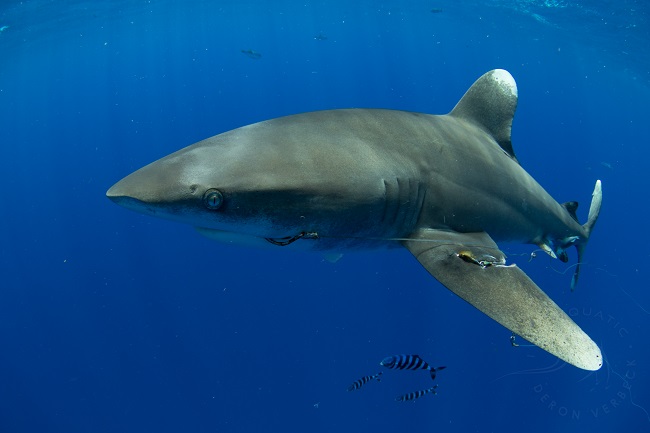
Longlines are the most destructive fishing method for sharks. An average set in U.S. waters stretches 45 km (28 miles) and carries thousands of baited hooks. These lines drift through open ocean, catching everything from tuna to sea turtles, and especially sharks. Pelagic longlines are responsible for the largest number of shark deaths annually. They are used extensively in the fin trade and are highly effective at capturing wide-ranging species like Oceanic Whitetips and Makos.
Gillnets and Trawling: Unselective and Destructive
Gillnets are vertical walls of near-invisible mesh that entangle sharks unable to escape. They are unselective and often left unattended, leading to high mortality. Bottom trawling drags heavy nets across the seafloor, destroying critical habitats like coral reefs and seagrass beds, many of which serve as shark nurseries. This indirect habitat loss further reduces shark survival and recruitment.
Global Reach of Industrial Fleets
Modern industrial vessels operate around the clock, travel thousands of miles, and stay at sea for months using onboard freezing and processing. They use satellite data to locate oceanographic hotspots where sharks congregate, such as the Gulf Stream and East Australian Current. A study analyzing 1,804 satellite tracks found that up to 76% of Blue Sharks in the North Atlantic overlap with industrial fishing zones. Nowhere is truly safe, not even international waters.
Artisanal and Recreational Fishing Impacts
Artisanal Fisheries: Food Security Versus Overexploitation
Small-scale, artisanal fisheries are crucial for food security in developing nations but exert intense pressure on coastal shark populations. Though individual boats are small, their collective impact is massive. In Mauritania, the number of fishing pirogues grew from 125 in 1950 to nearly 4,000 by 2005. Indonesia has an estimated 600,000 fishing vessels, many targeting sharks. These fisheries often operate in shallow coastal zones, directly impacting species like wedgefishes, guitarfishes, and sawfishes. Fifteen of these species are now Critically Endangered. High fin prices incentivize continued targeting even as populations collapse.
Recreational Fishing: Stress and Post-Release Mortality
Recreational fishing accounts for about 1% of global shark catch by biomass, but it poses unique threats. In Western Australia, anglers catch approximately 17,000 sharks and rays annually, releasing 82%. In Florida, shore-based shark fishing permits rose from 11,277 in 2019 to 18,000 in 2020. While release rates are high, capture stress can be lethal. Pregnant females often abort pups. Species like Hammerheads suffer high post-release mortality due to physiological stress. Recreational fishing often occurs in inshore nursery areas, threatening juveniles of endangered species like Scalloped Hammerheads and Sawfish.
Ecological Consequences of Shark Loss
Trophic Cascades: When Reefs Collapse
Removing sharks triggers trophic cascades, ecological domino effects that destabilize entire ecosystems. In Caribbean coral reefs, shark decline leads to Grouper population explosions. Groupers then overeat Parrotfish, which are essential for grazing algae from corals. With fewer Parrotfish, coral reefs become overgrown and degraded. This chain reaction, documented by researchers at Scripps Institution of Oceanography, shows how losing apex predators leads to ecosystem collapse even without direct human damage to reefs.
Prey Evolution: Smaller Eyes, Slower Tails
Recent field studies reveal that predator loss causes evolutionary changes in prey. On reefs in northwestern Australia where sharks have been depleted, prey fish have 40% smaller caudal fins (tail fins), reducing swimming speed. They also have 46% smaller eyes, impairing predator detection. These morphological shifts indicate that prey are adapting to a world without sharks, altering energy flow, behavior, and community structure across the food web.
Loss of Scavenging and Disease Control
Sharks act as ocean scavengers, consuming dead or dying animals. Their absence allows carcasses to accumulate, increasing the risk of disease outbreaks among marine life. This loss of ecosystem services weakens the overall resilience of marine environments, making them more vulnerable to climate change and pollution.
Conservation Efforts and Regulatory Challenges
CITES Listings: Regulating International Trade
The Convention on International Trade in Endangered Species (CITES) plays a key role in shark protection. Appendix I bans commercial trade and includes all Sawfish species. Appendix II requires sustainable trade permits and covers Whale Sharks, Basking Sharks, Hammerheads, Oceanic Whitetips, Makos, Wedgefishes, and Giant Guitarfishes. While these listings help control legal trade, enforcement remains inconsistent and illegal shipments still occur.
National Policies: Fins Attached and Retention Bans
The U.S. and other nations require sharks to be landed with fins still attached, improving species identification and deterring finning. Some regions ban keeping certain sharks, such as Makos in the Atlantic. However, a Fish and Fisheries study found these reduce mortality only three-fold on average, insufficient for slow-reproducing species.
Enforcement Gaps and IUU Fishing
Illegal, unreported, and unregulated (IUU) fishing accounts for up to 30% of global catch for high-value species. Vast ocean areas are poorly monitored, and many vessels use flags of convenience to avoid oversight. Without better surveillance and penalties, regulations remain toothless. Additionally, 85% of fishing subsidies go to large-scale fleets, propping up unprofitable operations. Approximately 46% of open-ocean fisheries would not exist without these subsidies. Fifty-seven percent of threatened cartilaginous fish lack sufficient mortality data, making accurate science-based limits difficult to establish.
Solutions: Pathways to Shark Recovery
Gear Modifications That Reduce Bycatch
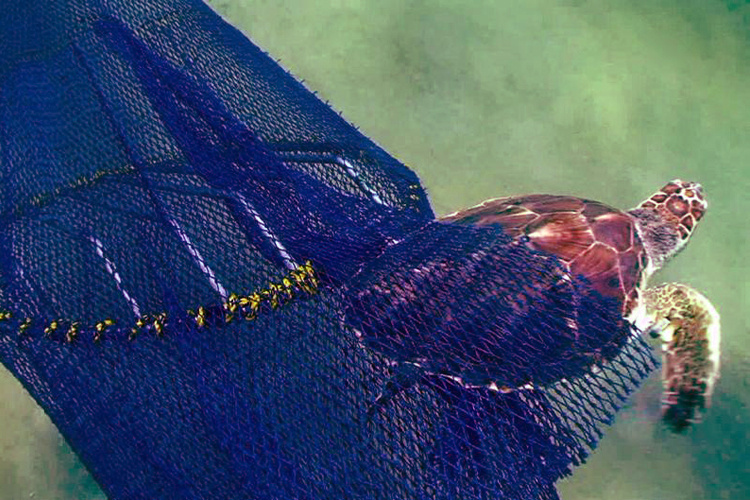
Simple changes can significantly reduce shark deaths. Shark Exclusion Devices (SEDs) and Turtle Excluder Devices (TEDs) allow sharks to escape trawl nets. Using monofilament traces instead of steel wire on longlines reduces shark retention. Changing bait from squid to fish decreases unwanted shark catches. Magnetic or electric repellents show promise in deterring sharks from gear.
Protecting Hotspots and Nursery Grounds
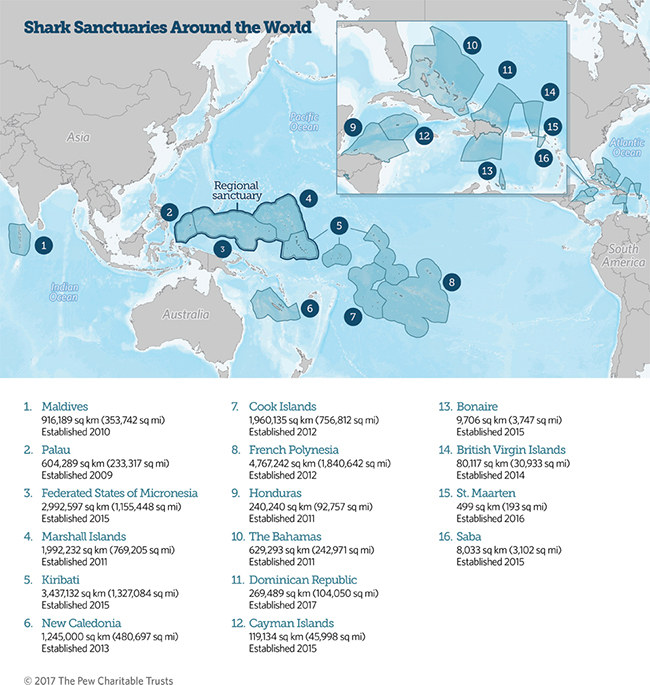
Sharks aggregate predictably in certain areas. Seasonal closures during breeding or pupping seasons protect vulnerable life stages. Permanent marine protected areas in key hotspots, like the Galápagos or Malpelo, can shield migratory species. Currently, only 1.5% of oceans are fully protected, and fishing is often still allowed in many of these areas.
Consumer Action and Sustainable Choices
You can help by avoiding seafood caught with trawls, gillnets, or longlines. Check labels for species-specific identification rather than vague codes like “ray” or “flake.” Supporting ecotourism is valuable because a live shark generates more long-term revenue than a dead one.
Investing in Science and Monitoring
Satellite tagging, genetic analysis, and citizen science are filling critical data gaps. Studies on at-vessel and post-release mortality inform better policies. For example, data showing high death rates in deep-water sharks due to pressure changes has led to gear restrictions in some regions.
Key Takeaways for Protecting Sharks From Fishing Impacts
Commercial fishing remains the primary driver of shark population collapse worldwide. Industrial fleets, artisanal fisheries, and global market demands, especially for fins, have pushed hundreds of species to the brink of extinction. Their biological vulnerability makes recovery slow, and the ecological consequences of their loss are already visible in degraded reefs and altered food webs. While CITES listings, fins-attached policies, and marine protections offer hope, they are undermined by IUU fishing, harmful subsidies, and lack of data. The path forward requires stronger enforcement, smarter gear, expanded protected areas, and consumer awareness. Sharks have survived for over 400 million years, but they may not survive industrial fishing without urgent, coordinated action. Their survival is not just about saving a species; it is about preserving the health of the entire ocean.
Frequently Asked Questions About How Commercial Fishing Affects Sharks
How many sharks are killed by commercial fishing each year?
Scientists estimate that approximately 100 million sharks are removed from the oceans annually, with a significant portion classified as illegal, unreported, and unregulated (IUU) catch.
What is the main cause of shark population decline?
Overfishing is the primary cause. For 67.3% of all shark and ray species, overfishing is the only threat they face. This includes both targeted fishing and incidental bycatch in fisheries targeting other species.
Which fishing methods are most harmful to sharks?
Longlines are the most destructive, stretching up to 45 km and catching thousands of sharks annually. Gillnets and bottom trawling also pose significant threats by entangling sharks and destroying critical habitats.
Why can’t shark populations recover quickly from overfishing?
Sharks have slow growth rates, late maturity, long gestation periods (9 to 12 months average), and low birth rates (typically 2 to 15 pups). These biological traits mean populations require decades to recover, even under strict protection.
What is being done to protect sharks from commercial fishing?
CITES lists several shark species under Appendices I and II to regulate international trade. Many nations enforce “fins naturally attached” policies to deter finning. Marine protected areas and gear modifications like Shark Exclusion Devices help reduce bycatch, though enforcement remains challenging.
Can consumer choices help protect sharks?
Yes. Consumers can avoid seafood caught with trawls, gillnets, or longlines. Looking for species-specific labels and supporting sustainable sourcing helps drive market change. Ecotourism also provides economic incentives to keep sharks alive rather than harvesting them.