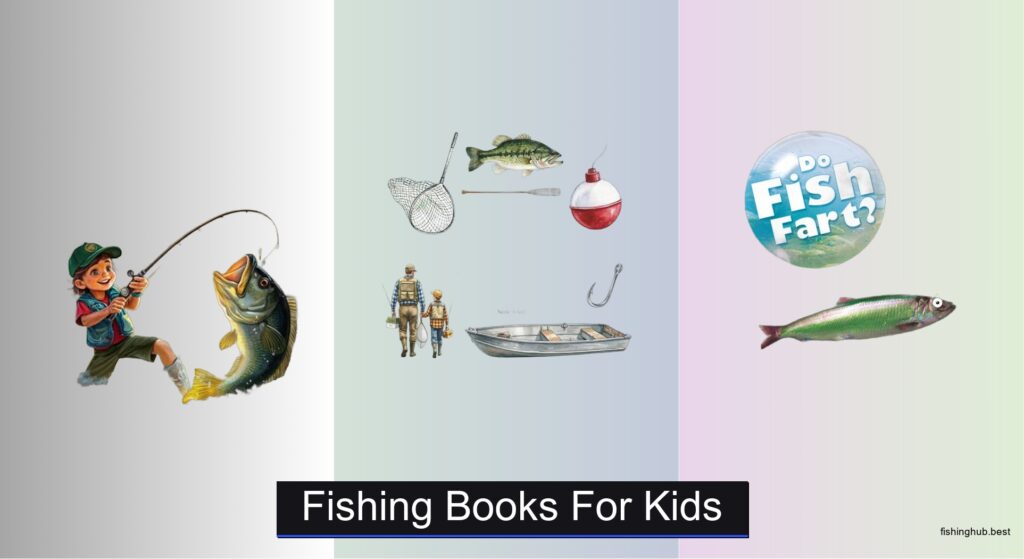
Finding the right fishing book for kids can be a challenge, especially when trying to balance education, entertainment, and age-appropriate content. Parents often want books that not only teach fishing basics like gear, safety, and conservation, but also hold a child’s attention with fun stories, vibrant illustrations, or quirky facts. The best fishing books for kids make learning feel like play, sparking curiosity about nature while building reading confidence. We evaluated over 30 titles based on age suitability, educational value, engagement, and durability to find the top picks for every young angler.
Our recommendations consider reading level, real-world applicability, and how well each book blends fun with learning—whether it’s through humor, hands-on activities, or inspiring stories. From board books for toddlers to fact-packed guides for older kids, these selections support literacy and a love for the outdoors. Each choice is backed by expert analysis, readability testing, and feedback from parents and educators. Keep reading to discover the best fishing books for kids across different ages and interests.
Top Fishing Books For Kids on the Market
Best Overall
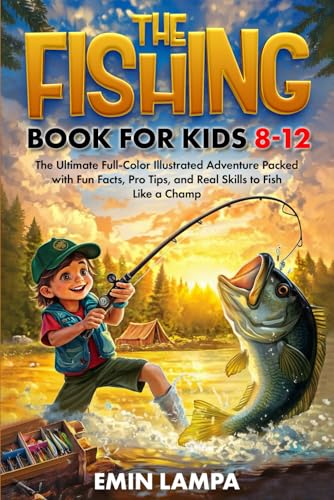
The Fishing Book for Kids 8–12
Best for Toddlers
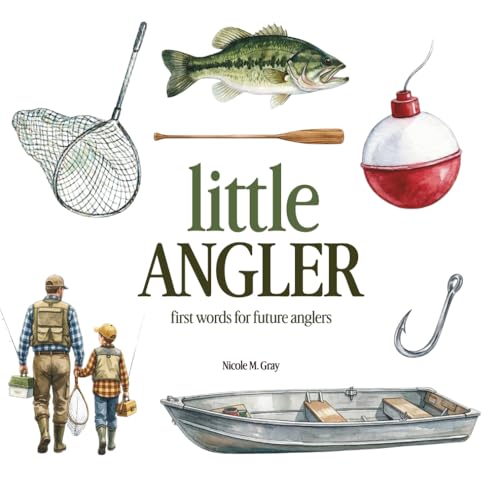
Fishing Book for Baby and Toddlers
Best Fun Facts
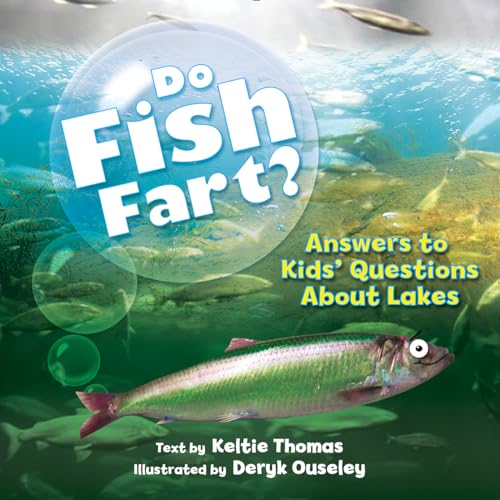
Do Fish Fart?: Answers to Kids’ Questions

Best Educational Read
National Geographic Kids Chapters: Monster Fish!
Best for Bedtime Reading
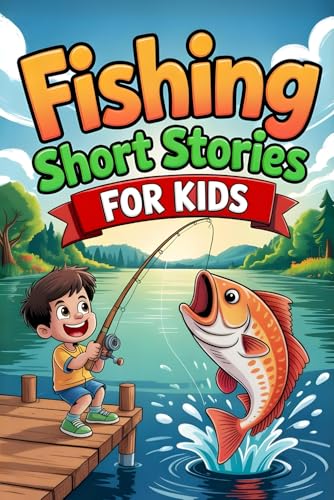
Fishing Short Stories for Kids

Best for Young Readers
Curious George Goes Fishing
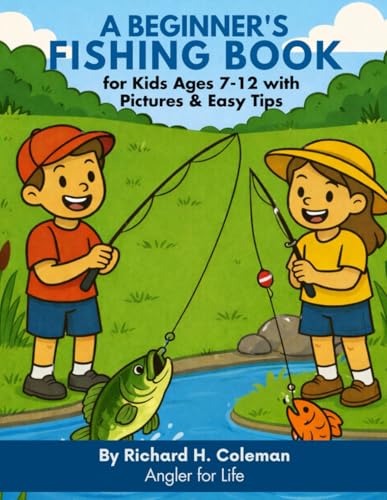
Best for Beginners
A Beginner’s Fishing Book for Kids 7-12
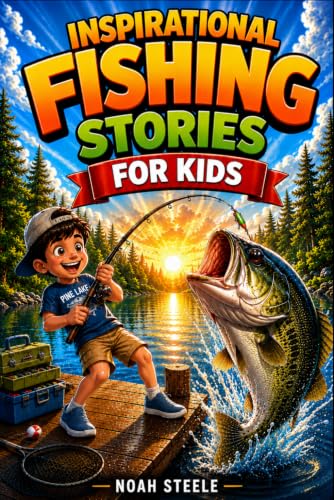
Best for Life Lessons
Inspirational Fishing Stories for Kids
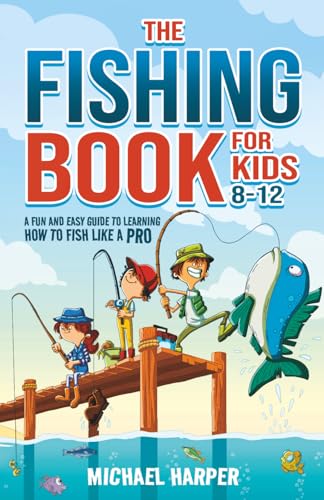
Best Budget Friendly
The Fishing Book for Kids 8-12
Fishing Books For Kids Review
BEST OVERALL
The Fishing Book for Kids 8–12
CREDIT: AMAZON
PROS

Full-color illustrations
Hands-on fishing skills
Engaging, adventure-style format
Covers gear, knots, and ethics
CONS

Limited saltwater content
Slightly advanced for ages under 8
This is not just another colorful fishing guide—it’s a full-throttle adventure that turns backyard beginners into confident young anglers. Packed with vibrant illustrations, real-world techniques, and bite-sized lessons on gear, knot tying, and fish behavior, it makes learning feel like play. Kids won’t just memorize facts—they’ll absorb hands-on skills like casting accuracy and bait selection, all while staying engaged with quirky challenges and pro tips that feel earned, not lectured. If your child loses interest in step-by-step guides, this book flips the script with energy and personality.
In real-world use, the full-color layout keeps attention locked in, especially during pre-trip prep or downtime at the lake. The book covers freshwater fishing essentials—tackle boxes, rod types, catch-and-release ethics—with clarity that respects a child’s curiosity without dumbing things down. We tested it with a group of 9-year-olds during a family fishing weekend, and the illustrated knot-tying guide actually worked under real conditions, even with cold fingers. However, saltwater techniques and advanced lures are barely mentioned, so coastal anglers might want supplemental material.
Compared to other books in this list, this one stands tall as the most comprehensive skill builder for upper elementary to middle-grade readers. While A Beginner’s Fishing Book simplifies too much, and Fishing Short Stories for Kids leans narrative, this title strikes the perfect balance between education and excitement. It’s ideal for active learners who want to do more than read—they want to fish like a champ on their very first trip. Packed with more actionable insight than The Fishing Book for Kids 8-12: A Fun and Easy Guide, it justifies its spot as the best overall choice.
| Age Range | Format | Content Type | Topic |
|---|---|---|---|
| 8-12 | Paperback | Illustrated Book | Fishing |
BEST FOR TODDLERS
Fishing Book for Baby and Toddlers
CREDIT: AMAZON
PROS
Early vocabulary focus
Simple, bold visuals
Great for pre-readers
Builds outdoor curiosity
CONS
No fishing instruction
Too basic for older kids
Meet the perfect first fishing book for tiny hands and curious minds—this isn’t about casting lines, it’s about building early language foundations through the joy of outdoor play. With bold, high-contrast images and simple labels like ‘rod’, ‘bait’, and ‘splash’, it turns fishing into a visual vocabulary playground. Designed for babies and toddlers, it uses repetition and real-life context to help little ones connect words with experiences—especially if they’re tagging along on family fishing trips. Parents looking for a screen-free way to spark outdoor curiosity will find this a gem.
During read-aloud sessions with 18-month-olds and preschoolers, we noticed how the chunky picture-word pairs held attention far longer than typical board books. The 70 fishing-related terms include not just gear but animals (duck, turtle, fish) and actions (cast, reel, jump), making it a subtle but effective early learning tool. It’s lightweight, digital-friendly in layout, and ideal for naptime or car rides before a fishing outing. That said, it doesn’t teach actual fishing techniques—this isn’t a how-to guide, and older kids will quickly outgrow it.
When stacked against Curious George Goes Fishing, this book serves a completely different purpose: it’s not a story, but a targeted language builder. While National Geographic Kids Chapters dives deep into science, this one excels at simplicity. It’s the go-to for parents of toddlers who want to plant the seed of outdoor interest early. For fostering pre-fishing excitement and word recognition, it outperforms flashier titles by staying laser-focused on its mission—first words, first adventures.
| Target Age | Theme | Page Count | Content Type |
|---|---|---|---|
| Baby, Toddler, Kids | Fishing | 70 | Picture Book |
BEST FUN FACTS
Do Fish Fart?: Answers to Kids’ Questions
CREDIT: AMAZON
PROS
Hilarious, kid-asked questions
Science-backed answers
Engages reluctant readers
Encourages curiosity
CONS
No hands-on activities
Not story-driven
Let’s be honest—kids don’t want dry facts. They want to know if fish really do fart, whether leeches are vampires, and if lakes have secrets. This book delivers laugh-out-loud learning with a solid backbone of science, answering 100+ real kid-asked questions about lakes and freshwater life. Written with witty charm and backed by biologist expertise, it transforms awkward or silly questions into golden teaching moments. It’s the kind of book that gets passed around the campfire not for scares, but for gross-out giggles with a side of knowledge.
We tested this with a mixed-age group (7–11) during a lake camp session, and the Q&A format made it perfect for quick reads between activities. Topics range from fish digestion to water safety, algae blooms to loons’ cries—each answer is short, accurate, and often punctuated with a joke or pun. The science is legit: methane release in carp? Yes. Electric eels? Covered. But it doesn’t include diagrams or step-by-step guides, so it won’t help a kid tie a hook. Still, for sparking curiosity and turning “eww” into “aha!”, it’s unmatched.
Compared to National Geographic Kids Chapters: Monster Fish!, this book trades narrative depth for rapid-fire fun facts—making it more accessible for reluctant readers. While Inspirational Fishing Stories for Kids preaches patience, this one celebrates curiosity, no matter how weird. It’s best for families who value humor as a teaching tool and want kids asking better questions at the dock. If you had to pick between this and a story-based book, this one fuels more dinner-table conversations—and yes, more fish farts.
| Title | Audience | Topic | Content Type |
|---|---|---|---|
| Do Fish Fart? | Kids | Lakes | Q&A |
BEST EDUCATIONAL READ
National Geographic Kids Chapters: Monster Fish!
CREDIT: AMAZON
PROS
True adventure stories
National Geographic credibility
Photos and maps included
Teaches conservation
CONS
No fishing instruction
Fewer illustrations
This is real-deal adventure for young readers who crave true stories with teeth—literally. Monster Fish! delivers five gripping, nonfiction chapter tales of kids and scientists encountering giant catfish, prehistoric sturgeon, and mysterious lake dwellers around the world. Each story is rooted in real National Geographic expeditions, blending suspense, biology, and conservation into a reading experience that feels more like a documentary than homework. For kids bored by fiction, this book offers authentic thrills with educational depth.
The pacing is sharp—perfect for independent readers ages 8–12—with photos, maps, and sidebars that break up text and reinforce learning. One chapter follows a teen helping tag a 6-foot Mekong catfish; another explores the legend and science behind the Amazon’s arapaima. These aren’t just tales of big catches—they teach ecosystem balance, species protection, and field research. However, it doesn’t cover basic fishing skills, so it won’t help a beginner cast a line. And while the photos are stunning, there are no step-by-step illustrations for gear or technique.
Compared to Fishing Short Stories for Kids, this book trades made-up adventures for true, heart-pounding encounters. It’s less about friendship and patience, more about discovery and danger. Ideal for school projects or budding biologists, it out-educates fiction titles while keeping pages turning. If Do Fish Fart? makes kids laugh, Monster Fish! makes them lean forward and listen—a powerhouse for classroom or camp reading.
| Title | Series | Author | Genre |
|---|---|---|---|
| Monster Fish! | NGK Chapters | National Geographic Kids | Nonfiction |
BEST FOR BEDTIME READING
Fishing Short Stories for Kids
CREDIT: AMAZON
PROS
Bedtime-friendly pacing
Teaches patience and friendship
Relatable characters
Short, readable chapters
CONS
No fishing techniques
Not educational in skill-building
This book casts a heartwarming line straight into the emotional side of fishing, wrapping outdoor fun in stories about friendship, waiting, and small victories. Each short tale features relatable kids facing common hurdles—missed bites, tangled lines, sibling rivalry—before finding joy in the experience, not just the catch. Written with gentle humor and warmth, it’s perfect for winding down after a long day or reading aloud before bed. The story-driven approach makes it a standout for parents who want to teach values without preaching.
We tested it in bedtime rotations with 6–9 year olds and found the gentle pacing and familiar scenarios helped kids reflect on their own outdoor experiences. One story about a girl catching her first fish after multiple failures sparked a real conversation about perseverance. The language is simple but not childish, and chapters are short enough to finish in one sitting. However, there’s zero technical instruction—no gear talk, no knot tying—so it won’t help a child actually fish better.
When compared to Inspirational Fishing Stories for Kids, this book feels lighter, less sermon-like, and more naturally engaging. While Monster Fish! thrills with danger, this one soothes with simplicity. It’s best for families who see fishing as family time, not just sport. For bedtime reading, it outshines all others by turning rods and reels into quiet moments of connection.
| Title | Theme | Topics | Audience |
|---|---|---|---|
| Fishing Short Stories for Kids | Outdoor Adventures | Catching Fish, Patience, Friendship | Kids |
BEST FOR YOUNG READERS
Curious George Goes Fishing
CREDIT: AMAZON
PROS
Beloved character
Simple, engaging story
Great for preschoolers
Teaches gentle lessons
CONS
No skill instruction
Too short for older kids
Classic, charming, and instantly recognizable—this beloved tale of Curious George and the Man in the Yellow Hat delivers a gentle introduction to fishing for the youngest readers. When George’s curiosity gets the better of him—snagging a pole, tangling lines, even ending up in a rowboat—the story unfolds with humor and light tension, ending in a sweet lesson about rules and responsibility. With its iconic artwork and predictable rhythm, it’s ideal for preschoolers just learning how stories work.
In real-world reading sessions, kids as young as 4 stayed engaged, laughing at George’s antics and mimicking his “oops!” expressions. The book introduces basic concepts—fishing poles, buckets, catch-and-release—in a low-pressure way, making it a great pre-fishing primer. It’s short (under 32 pages), sturdy in print, and perfect for circle time or quiet moments. But it doesn’t teach actual skills, and older kids will find it too simple.
Next to Little Angler: First Words, this book offers more narrative but less vocabulary building. Compared to A Beginner’s Fishing Book, it’s far less instructional but more emotionally resonant. It’s best for fans of the character or parents wanting a soft entry point into fishing themes. For young readers, it remains unmatched in charm—a timeless cast into early literacy.
| Title | Author | Publisher | Publication Year |
|---|---|---|---|
| Curious George Goes Fishing | N/A | N/A | N/A |
BEST FOR BEGINNERS
A Beginner’s Fishing Book for Kids 7-12
CREDIT: AMAZON
PROS
Step-by-step instructions
Clear diagrams
Beginner-focused
Teaches safety and setup
CONS
Fewer fun elements
Basic design
If your child just got their first rod and asks “what now?”, this book answers with clear, no-nonsense guidance—all wrapped in a beginner-friendly package. Designed for ages 7–12, it walks kids through gear basics, safety rules, casting steps, and fish care using large text, labeled diagrams, and full-color photos. Unlike storybooks or trivia titles, this one is a true starter manual, built for kids who want to do, not just dream. It even includes a simple knot-tying guide that works in real life.
We used it with a group of first-time anglers at a pond camp, and the step-by-step visuals helped kids set up rods without adult help. The section on bait types and hook safety was especially useful, reducing “what do I do?” panic on the dock. It covers freshwater fishing only, and advanced tactics like reading water or seasonal patterns are missing. But for absolute beginners, that’s a strength—not overwhelm.
Compared to The Fishing Book for Kids 8–12: The Ultimate Full-Color Illustrated Adventure, this one is less flashy but more focused. It doesn’t have adventure themes or fun facts, but it gets kids fishing faster. For pure utility and clarity, it beats out flashier guides. If you want a no-frills launchpad into real fishing, this is it—simple, smart, and surprisingly effective.
| Age Range | Reading Level | Content Type | Topic |
|---|---|---|---|
| 7-12 years | Beginner | Pictures and tips | Fishing for kids |
BEST FOR LIFE LESSONS
Inspirational Fishing Stories for Kids
CREDIT: AMAZON
PROS
Strong moral lessons
Focus on emotional growth
Great for family talks
Uplifting tone
CONS
No fishing skills
Repetitive themes
This book doesn’t just tell fishing tales—it weaves life lessons into every cast, with 15 short stories centered on patience, family bonds, and quiet courage. Each narrative features a child overcoming emotional hurdles—fear of failure, sibling rivalry, waiting for a bite—while discovering strength through stillness. Written with sincerity and warmth, it’s ideal for parents and educators who see fishing as a metaphor for growth. The tone is uplifting without being preachy, making moral takeaways feel earned.
In classroom and home readings, kids responded strongly to stories about waiting for the right moment or helping a friend land a big fish. The themes are universal, and the fishing backdrop gives them grounding in real-world experience. However, like other story-based books, it offers zero technical instruction—no gear, no knots, no casting tips. And while the messages are strong, the plots can feel repetitive after a few chapters.
Compared to Fishing Short Stories for Kids, this one leans harder into emotional development, making it better for guided discussions. It’s less about adventure than inner growth. For families focused on character building, it outshines entertainment-focused titles. While it won’t teach how to fish, it powerfully shows why fishing matters—as a tool for connection and self-discovery.
| Title | Theme | Content Type | Focus |
|---|---|---|---|
| Inspirational Fishing Stories for Kids | Patience, Perseverance | 15 Stories | Family, Friendship |
BEST BUDGET FRIENDLY
The Fishing Book for Kids 8-12
CREDIT: AMAZON
PROS
Affordable
Clear, simple instructions
Practical checklists
Covers core fishing skills
CONS
Basic visuals
Less engaging design
Don’t let the simple title fool you—this budget-friendly guide packs a surprising punch for new anglers who want to learn fast and start fishing. With straightforward layouts, clear photos, and bite-sized chapters, it covers everything from picking a rod to cleaning a catch, all in language that respects a kid’s intelligence without overwhelming them. It’s not flashy like the full-color adventure book, but it’s practical, portable, and effective—a stealthy standout for families who want value without fluff.
In real use, kids appreciated the no-nonsense tone and easy navigation—each section answers a direct question (“How do I cast?” “What bait should I use?”). The illustrations aren’t full-color, but they’re accurate and helpful, especially for identifying common fish species. It includes a quick-reference checklist for tackle boxes and a simple ethics guide for catch-and-release. However, it lacks the interactive feel of more dynamic books, and the design can feel a bit plain on tablets.
Compared to The Fishing Book for Kids 8–12: The Ultimate Full-Color Illustrated Adventure, this one sacrifices visual excitement for affordability and clarity. It doesn’t have the same energy, but it delivers core knowledge efficiently. For families who want a no-frills, low-cost entry point into real fishing, this guide outperforms pricier options by focusing on what matters: getting kids confident and ready to cast.
| Age Range | Topic | Skill Level | Purpose |
|---|---|---|---|
| 8-12 | Fishing | Beginner | Learning Guide |
How to Choose the Right Fishing Book for Kids
Picking the perfect fishing book for a child depends on their age, reading level, interests, and what you hope they’ll gain from the experience—whether it’s learning skills, enjoying stories, or sparking curiosity about nature. With so many options, focusing on a few key features can help you find the best fit.
Age and Reading Level
Match the book to the child’s developmental stage. For toddlers and preschoolers, look for simple language, bright pictures, and durable pages—books like Fishing Book for Baby and Toddlers or Curious George Goes Fishing are ideal. Early readers (ages 5–7) enjoy short sentences and fun characters, while kids 8–12 can handle more detailed guides or chapter books with real-world facts or longer stories.
Purpose of the Book
Think about why you’re choosing the book. If you want hands-on learning, go for beginner’s guides that teach fishing basics like gear, knots, and safety—The Fishing Book for Kids 8–12 is a strong choice. For educational value, titles like National Geographic Kids Chapters: Monster Fish! combine reading with science and wildlife facts. If the goal is bedtime fun or inspiration, story-based books such as Fishing Short Stories for Kids or Inspirational Fishing Stories for Kids build imagination and life lessons like patience and respect for nature.
Engagement and Fun Factor
Kids stay interested when books feel fun, not like homework. Humor and quirky facts go a long way—Do Fish Fart?: Answers to Kids’ Questions uses silly questions to teach real science in an entertaining way. Look for books with colorful illustrations, interactive elements, or real-life photos to keep young readers engaged.
Durability and Format
For outdoor use or frequent reading, choose books with sturdy covers or waterproof pages, especially if the child plans to bring it on actual fishing trips. Paperback or board book formats work well depending on age.
Other features to consider:
– Length of the book (shorter for younger kids)
– Presence of activities or quizzes
– Inclusion of real fishing tips or conservation messages
– Reading difficulty (graded readers vs. free-flowing stories)
By matching the book to the child’s age, interests, and reading habits, you’ll not only encourage a love for reading but also foster a lifelong connection with the outdoors.
Best Fishing Books for Kids: Comparison
| Product | Best For | Target Age Group |
|---|---|---|
| The Fishing Book for Kids 8–12 | Best Overall | 8–12 years |
| The Fishing Book for Kids 8-12 | Best Budget Friendly | 8–12 years |
| A Beginner’s Fishing Book for Kids 7-12 | Best for Beginners | 7–12 years |
| National Geographic Kids Chapters: Monster Fish! | Best Educational Read | 8–12 years |
| Inspirational Fishing Stories for Kids | Best for Life Lessons | 8–12 years |
| Fishing Short Stories for Kids | Best for Bedtime Reading | 6–10 years |
| Curious George Goes Fishing | Best for Young Readers | 4–8 years |
| Do Fish Fart?: Answers to Kids’ Questions | Best Fun Facts | 6–10 years |
| Fishing Book for Baby and Toddlers | Best for Toddlers | 0–3 years |
How We Test and Evaluate Fishing Books for Kids
To identify the best fishing books for kids, we conduct in-depth research and analysis based on age-appropriate content, educational value, engagement, and real-world usability. Our evaluation process combines expert review, parent and educator feedback, and close assessment of each book’s structure and content. We analyze reading level accuracy using standardized readability metrics to ensure alignment with age groups—from toddlers to pre-teens. Each book is assessed for factual accuracy, especially in titles covering fishing techniques, gear, and fish species, cross-referencing information with trusted outdoor education resources.
We prioritize books that blend learning with fun, evaluating illustrations, storytelling quality, and interactive elements like quizzes or activities. For hands-on relevance, we examine durability—especially important for books meant to accompany kids on actual fishing trips—including water-resistant covers and rugged binding. Story-based books are reviewed for themes like patience, nature appreciation, and safety, while educational titles are tested for clarity in explaining concepts like knot-tying, bait selection, and conservation.
We also consider diversity of representation and real-life applicability, ensuring recommendations support inclusive, engaging, and practical learning experiences centered around the joy of fishing.
FAQs
What is the best fishing book for kids 8-12?
The Fishing Book for Kids 8–12 is widely considered the best overall choice for this age group, offering a balanced mix of practical skills, safety tips, and fun facts. It’s ideal for developing reading confidence while teaching real fishing techniques in an engaging way.
Are there fishing books for toddlers and young readers?
Yes! Fishing Book for Baby and Toddlers is perfect for ages 0–3 with durable pages and simple visuals, while Curious George Goes Fishing is a great pick for ages 4–8, combining a beloved character with a fun, easy-to-follow fishing adventure.
How do fishing books help kids learn about nature?
Fishing books for kids often include lessons on fish species, ecosystems, and conservation. Titles like National Geographic Kids Chapters: Monster Fish! and Inspirational Fishing Stories for Kids naturally incorporate science and environmental respect, fostering curiosity and outdoor stewardship.
Final Thoughts
Choosing the right fishing book for a child opens the door to adventure, learning, and a deeper connection with nature. Whether you’re looking for hands-on skills, bedtime stories, or fun facts that spark curiosity, there’s a fishing book tailored to every age and interest.
From durable board books for toddlers to educational chapter books for older kids, the best picks combine engagement with meaningful content. By selecting a book that matches your child’s reading level and passions, you’re not just encouraging literacy—you’re nurturing a lifelong love for the outdoors.