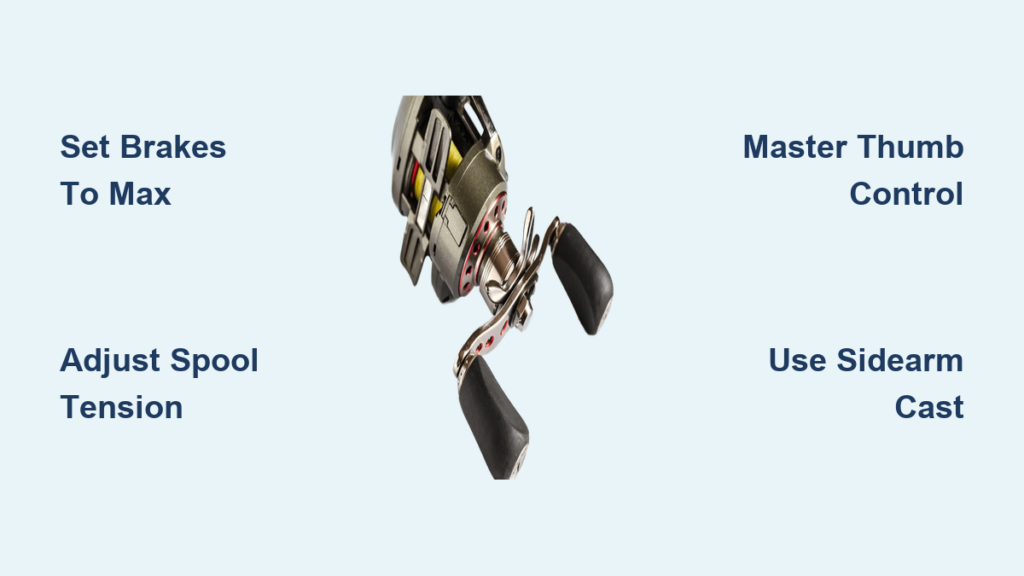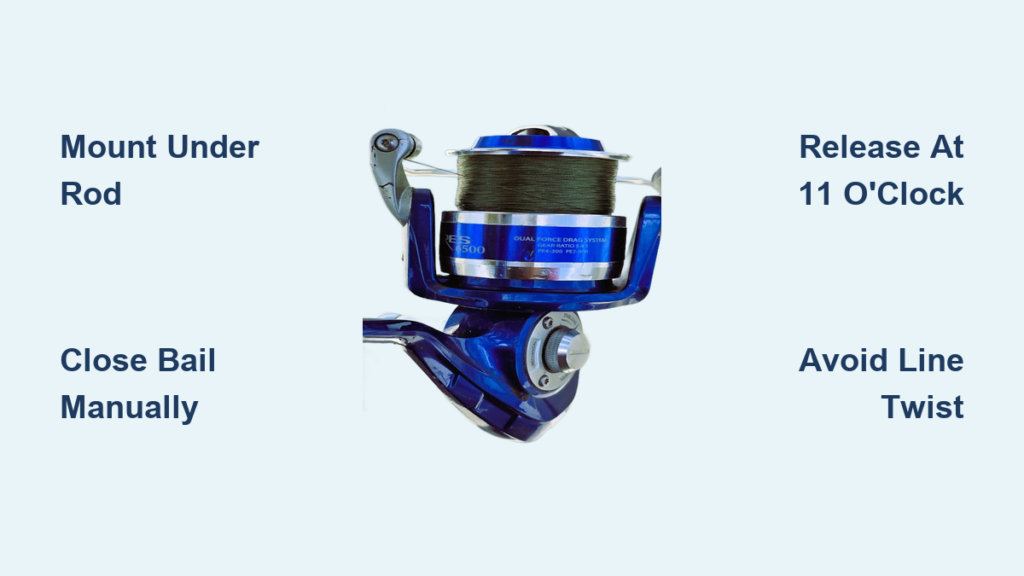
Every angler, from weekend hobbyists to seasoned pros, faces challenges on the water. Whether it is a frustrating day with no bites or a snapped line during a trophy fight, common fishing problems can turn excitement into disappointment in seconds. These issues range from simple gear mistakes to broader environmental concerns impacting fish populations worldwide. The good news? Most are preventable or fixable with the right knowledge.
This guide breaks down the most frequent fishing problems into three key areas: recreational angling errors, commercial fishing impacts, and environmental and regulatory challenges. You will learn not only what goes wrong but how to fix it. From sharpening hooks and setting drag correctly to understanding overfishing and choosing sustainable seafood, this is your complete roadmap to smarter, more successful, and more responsible fishing.
Poor Timing: Fishing at the Wrong Time

Fish are not active all day. Many anglers fail because they cast during midday heat when fish have already retreated to deeper, cooler zones. Understanding when fish feed most actively dramatically improves your catch rates.
Best Times to Fish by Species
Bass are most aggressive at dawn and dusk. Early morning offers topwater action while late afternoon triggers reaction strikes. Catfish peak feeding occurs at night or just after sunset, especially in summer. Trout prefer early morning in clear, cold streams before sunlight warms the water.
Weather changes these patterns significantly. Cloudy days extend bite windows because fish stay shallow longer. Barometric pressure drops before storms often trigger feeding frenzies. Full moons can boost night fishing success, especially for catfish and striped bass.
Pro Tip: Use free fishing forecast apps that combine lunar phases, weather, and solunar tables to predict peak bite times weekly.
Avoid Midday Slumps
When the sun is high, switch to deep-water tactics like jigging or drop shots. Target shaded areas such as docks, overhangs, or weed lines. Use slower presentations because fish are less likely to chase fast lures during midday heat.
Wrong Lure Selection

Using the wrong lure is one of the fastest ways to leave empty-handed. Color, size, and action must match current conditions for success.
Match Lure to Water Clarity
Clear water requires natural tones like shad, perch, or crawfish patterns because fish see details and lures must look real. Stained water calls for chartreuse, white, or firetiger colors for high visibility under low light. Murky water needs black/blue, red/orange, or neon options for contrast that cuts through turbidity.
Visual cue: If you cannot see your lure 12 inches below the surface, go darker and louder.
Choose Lure by Target Species
Largemouth bass respond well to crankbaits for offshore structure, jigs for heavy cover, and soft plastics for finesse. Smallmouth bass prefer swimbaits and tubes near rocks. Trout hit spinners like Rooster Tail, spoons like Kastmaster, or flies imitating insects. Panfish take tiny jigs or live bait under a bobber.
Common mistake: Using a 7-inch worm for bluegill. Match lure size to prey because small fish eat small food.
Dull or Wrong Hooks
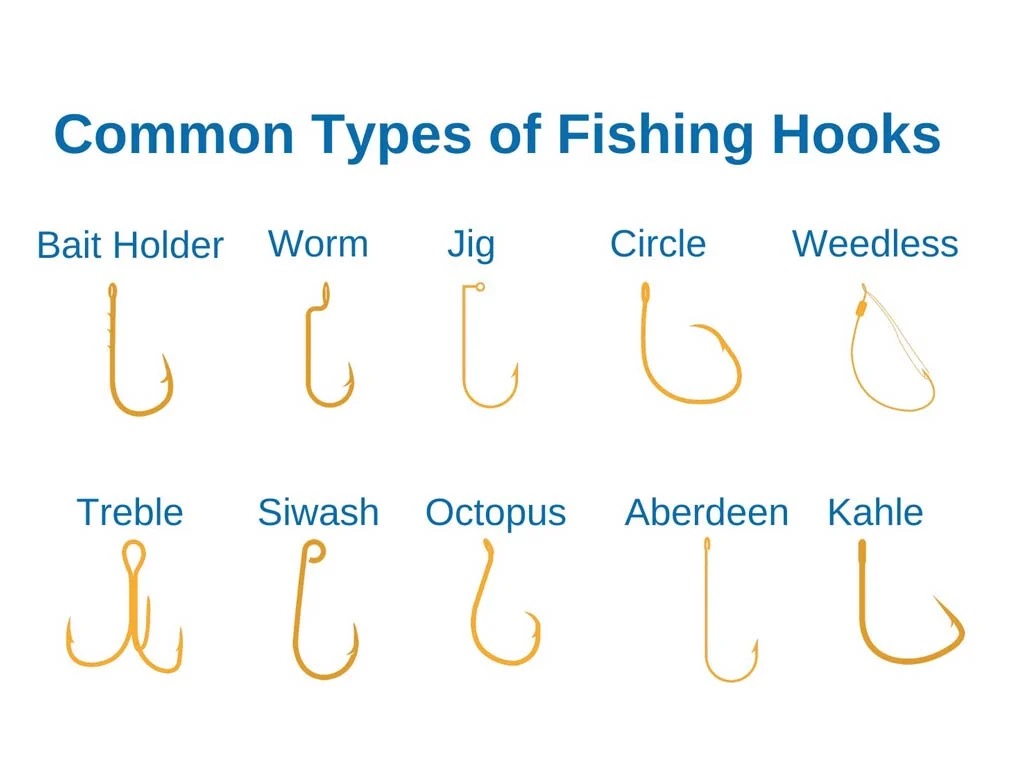
A sharp hook is non-negotiable. Even slight dullness means missed hooksets and lost fish.
Pick the Right Hook Type
Circle hooks work best for catfish and catch-and-release fishing. The hook sets in the corner of the mouth, making it less lethal. J-hooks with straight shanks are ideal for bass fishing with soft plastics because they require a quick hookset. Octopus hooks feature light wire and sharpness, making them great for panfish and finesse rigs.
Hook size matters significantly. Too big and fish cannot swallow it. Too small and it pulls out easily. The rule of thumb is that hook gap should match bait thickness.
Test and Sharpen Hooks
Use the thumbnail test: gently drag the point across your nail. If it bites and sticks, it is sharp. If it slips, it is dull.
Fix dull hooks by carrying a hook file or sharpener. Replace hooks after hitting rocks, wood, or concrete, even once. Many tournament anglers replace hooks before every trip as a matter of habit.
Ignoring Line Condition
Fishing line takes abuse. Nicks, UV damage, and memory weaken it fast, often without visible signs.
When to Inspect Your Line
Inspect line after every snag or cast near rocks, wood, or bridge pilings. Check before targeting big or powerful fish like muskie, pike, or striped bass. Examine every few hours during long sessions.
How to check: Run line slowly through damp fingers. Feel for bumps, frays, or thin spots. Look for discoloration like yellowing, which signals UV degradation in monofilament.
Prevent Break-Offs
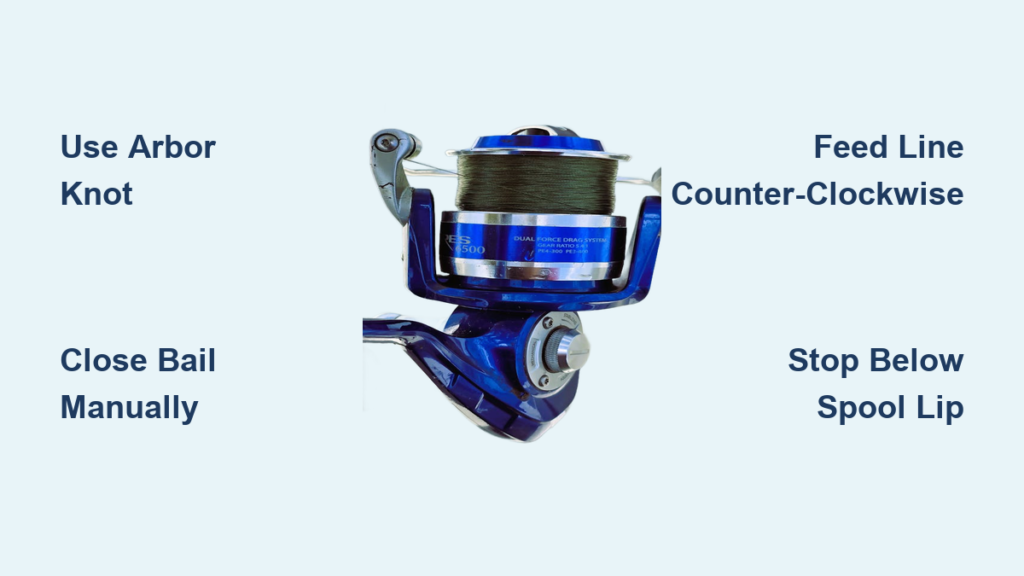
Use heavier leader when fishing around abrasive cover. Re-spool reels every three to six months or after heavy use. Avoid tying knots in weakened sections.
Real-world cost: Anglers report losing personal-best fish due to unnoticed line damage.
Improper Drag Settings
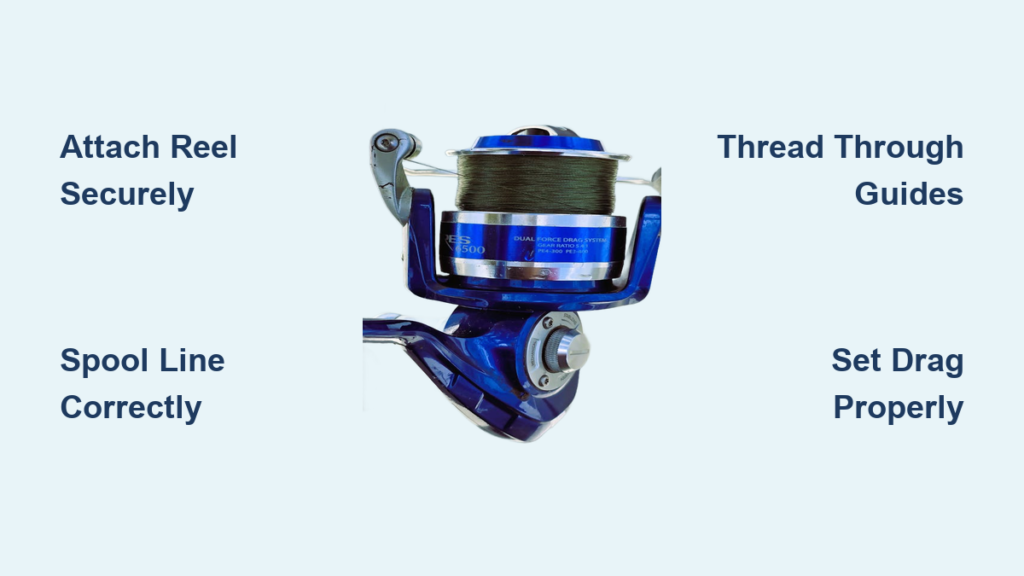
Too tight means snapped line. Too loose means pulled hook. Drag is your fish-fighting safety net.
Set Drag at 20–30% of Line Strength
For 8-pound test line, ideal drag is 1.6–2.4 pounds. For 10-pound test, aim for 2.0–3.0 pounds. For 15-pound test, set 3.0–4.5 pounds. For 20-pound test, target 4.0–6.0 pounds.
Use a drag scale because finger pressure varies wildly between anglers.
Adjust for Conditions
Big fish or strong currents call for increased drag to tire fish faster. Light line or deep water requires reduced drag to prevent break-offs during long runs. Braided line users should set drag lighter than mono or fluorocarbon because braids have no stretch.
Warning: Never thumb the spool instead of setting proper drag. This risks sudden line bursts and lost fish.
Skipping Pre-Trip Research
Showing up unprepared wastes time and kills confidence. Smart anglers do their homework before every outing.
What to Research Before You Go
Research the species present in the water body. Know local regulations including size limits, bag limits, and closed seasons. Find the best spots by looking for points, drop-offs, weed edges, or submerged structures. Check local forums or bait shops for effective baits working this week. Review weather forecasts because wind direction affects baitfish location and pressure changes impact bite. For saltwater, study tides and currents since fish move with water flow.
Time-saving hack: Use Google Earth or lake maps to scout structure before launch.
Overfishing: A Global Threat

While recreational anglers may not think about it, overfishing is one of the biggest threats to fish populations worldwide.
What Is Overfishing
Overfishing means harvesting fish faster than they can reproduce. This leads to collapsed fisheries like Atlantic cod, smaller average fish sizes over time, and fishing down the food chain as big predators vanish and we target smaller species like sardines and squid.
The Numbers
Seventy percent of global fish stocks are fully exploited or overfished. Unreported catches from 1950 to 2010 were up to 50 percent higher than official data. At current rates, some predict no fish left by 2050.
Recreational impact matters even catch-and-release fishing adds pressure, especially on popular species like bass or trout.
Bycatch: The Hidden Cost of Fishing

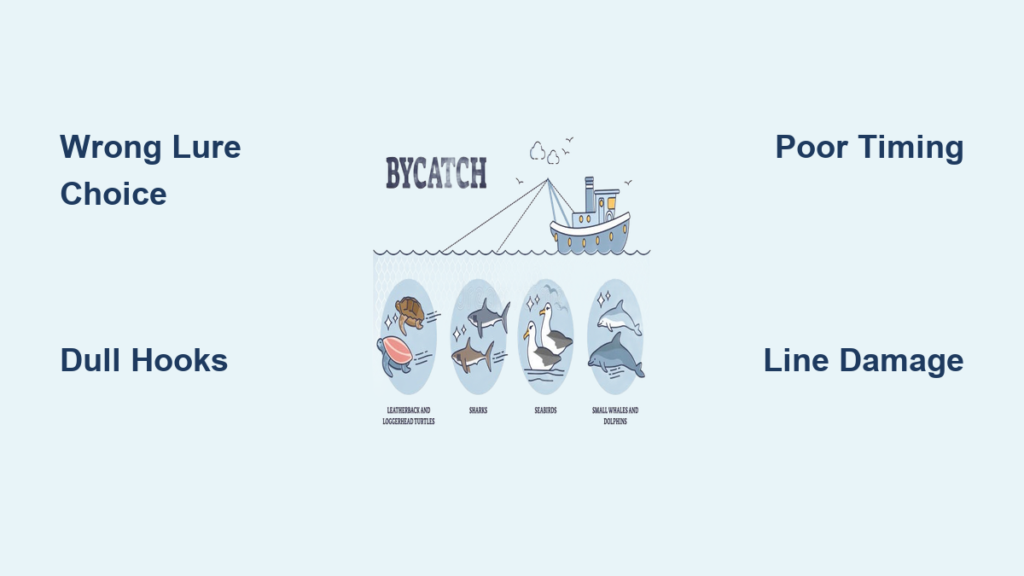
Bycatch, catching non-target species, is a major problem in commercial fishing operations worldwide.
How Bad Is It
Forty percent of global catch is bycatch, tossed back dead or dying. Shrimp trawling produces six pounds of bycatch for every one pound of shrimp. Affected species include sea turtles, dolphins, sharks, seabirds, and juvenile fish.
Killing young fish before they spawn reduces future populations significantly.
How It Happens
Gillnets create invisible walls in the water and entangle anything swimming. Bottom trawls bulldoze the seafloor and scoop up everything. Longlines with miles of hooks catch turtles and seabirds.
Support fisheries using bycatch reduction devices like turtle excluder devices.
Destructive Fishing Practices
Some methods do long-term damage to marine habitats that takes decades to recover.
Bottom Trawling Destroys Seafloor
Bottom trawling involves heavy nets dragged across the ocean floor. This destroys coral reefs, sponges, and seagrass beds, which are critical fish nurseries. The process stirs up sediment and creates dead zones with no oxygen.
United Nations estimates up to 95 percent of ocean floor damage comes from trawling. Push for bans in sensitive areas and support pole-and-line or trap fishing instead.
Blast and Cyanide Fishing
Blast fishing uses explosives and is illegal but still practiced in some regions. Cyanide fishing stuns reef fish for the live aquarium or food trade. Both methods kill coral and non-target species.
Despite bans, these methods persist in parts of Southeast Asia and Africa due to high demand and weak enforcement.
Habitat Destruction
Fish need homes. When habitats vanish, populations crash quickly.
Causes
Bottom trawling destroys essential spawning grounds. Coastal development through dredging and marinas eliminates nursery areas. Pollution from plastics, chemicals, and runoff contaminates waterways.
Consequences
Fish lose spawning and nursery grounds. Biodiversity declines across entire ecosystems. Species like deep-sea coral are being wiped out by trawlers.
Mangrove forests, vital for juvenile snapper and tarpon, are being cleared for resorts and development.
Consumer Power: Drive Sustainable Change
You do not have to fish commercially to make a difference in ocean health.
Choose Sustainable Seafood
Look for Marine Stewardship Council or Aquaculture Stewardship Council labels. Avoid species on avoid lists like Chilean seabass or imported shrimp. Use apps like Seafood Watch to check sustainability on the go.
Pet Food Matters
Many dog and cat foods contain fish meal, adding pressure to global stocks. Demand sustainably sourced ingredients from pet food brands.
Your purchasing decisions speak loudly to the industry.
Technology to the Rescue
Innovation is helping fight overfishing and illegal fishing operations.
Key Tools
Satellite tracking monitors fishing vessels in real time. Electronic monitoring with cameras on boats verifies catch. Blockchain traceability tracks fish from ocean to plate, eliminating fraud. Smart gear like LED nets reduces bycatch, and acoustic pingers deter dolphins.
The result is more transparency and less illegal fishing worldwide.
Final Tips for Anglers
You can make a difference starting today with simple habits.
Do This Before Every Trip
Sharpen or replace hooks. Inspect line for nicks and wear. Set drag scientifically at 20–30 percent of line strength. Match lure to water clarity and species. Check local regulations and weather before heading out.
Fish Smarter
Adapt to conditions rather than relying on memories. Fish at dawn or dusk when possible. Research the water instead of guessing.
Protect the Future of Fishing
The biggest common fishing problems are not just about lost fish; they are about lost futures. From the lure you tie on to the seafood you buy, every choice matters.
By fixing small mistakes on the water and supporting big changes in policy and consumption, we can ensure fishing remains possible for generations to come. Whether you are after your next personal best or just a quiet day on the lake, fish responsibly. The water depends on it.
Frequently Asked Questions About Common Fishing Problems
What are the most common mistakes recreational anglers make
The most frequent mistakes include fishing at the wrong time of day, using incorrect lure colors for water conditions, fishing with dull hooks, ignoring line damage, setting drag incorrectly, and skipping pre-trip research. These errors are preventable with proper preparation and knowledge.
How does overfishing affect fish populations
Overfishing depletes fish populations faster than they can reproduce. This leads to collapsed fisheries, smaller average fish sizes over time, and disruption of marine food webs. Approximately 70 percent of global fish stocks are currently fully exploited or overfished.
What is bycatch and why does it matter
Bycatch is the unintended capture of non-target species during fishing. It accounts for 40 percent of global catch and includes sea turtles, dolphins, sharks, and juvenile fish. Bycatch reduces biodiversity and kills young fish before they can reproduce.
How can anglers help protect fish populations
Anglers can help by inspecting gear before trips, fishing during optimal times, using correct lure sizes, practicing catch-and-release when appropriate, choosing sustainable seafood, and supporting conservation efforts. Small individual actions add up to significant positive impact.
What are sustainable fishing practices
Sustainable practices include using circle hooks to reduce deep hooking, avoiding destructive gear like bottom trawls, respecting size and bag limits, supporting Marine Protected Areas, and choosing certified sustainable seafood. These methods preserve fish populations for future generations.
How do I choose the right lure for different conditions
Match lure color to water clarity: natural colors for clear water, bright colors for stained water, and dark high-contrast colors for murky water. Match lure size to target species and their typical prey. Consider water temperature and fish activity levels when selecting lure action.