Imagine gliding silently over glassy water at sunrise, your kayak slipping through lily pads where big bass lurk just beneath the surface. No engine noise, no crowds. Just you, your rod, and the rhythm of the paddle. That’s the magic of fishing from a kayak. How to use a fishing kayak isn’t just about paddling and casting. It’s about mastering a mobile, stealthy platform that gives you access to untouched water others can’t reach.
Fishing kayaks are purpose-built angling machines designed for stability, gear storage, and hands-free movement. Whether you’re a beginner trading the bank for the water or a seasoned angler downsizing from a bass boat, learning how to use a fishing kayak properly unlocks freedom: freedom from high costs, crowded ramps, and noisy motors that spook fish. This guide walks you through every step, from choosing your kayak and essential gear to launching, paddling, fishing strategies, and staying safe.
Choose the Right Fishing Kayak for Your Style

Sit-On-Top vs Sit-Inside Designs
For fishing, sit-on-top kayaks dominate the market. They drain automatically, offer superior stability, and let you move freely to cast or stand. Unlike sit-inside models, which trap water and limit mobility, sit-on-tops handle gear, rain, and accidental splashes with ease. Their open decks make it simple to mount rod holders, fish finders, and storage crates.
If you plan long days on the water, comfort matters significantly. Sit-on-tops provide higher seating positions, better airflow, and easier re-entry if you capsize. Sit-inside kayaks may cut through water faster, but they’re impractical for anglers hauling tackle, nets, and electronics.
Match Hull Design to Your Fishing Environment

Stability starts with the hull. A wider kayak around 36 to 37 inches gives you confidence to stand and cast, which is critical for sight fishing or flipping heavy cover. Don’t go too wide though. Models over 38 inches can slow tracking and make paddling inefficient.
Consider these hull types for different conditions:
• Flat or pontoon-style hulls excel in shallow backwaters and tidal flats, providing excellent primary stability
• V-shaped or hybrid hulls cut through waves on open lakes and track straighter in coastal waters
• Hybrid designs balance stability with efficiency for versatile anglers
Length also plays a critical role in performance. Kayaks under 10 feet feel nimble in tight rivers or ponds but prove harder to paddle in a straight line. Models between 10 and 12 feet hit the sweet spot for most anglers, balancing speed, stability, and maneuverability. Kayaks over 12 feet work best for long-distance trips or rough water where tracking and weight capacity matter.
Know Your Weight and Size Limits
A kayak rated for 300 pounds might technically hold you, but if you’re over 250 pounds or stand over 6 feet tall, opt for a 12-foot or longer model. You’ll get better weight distribution, more legroom, and improved stability. Models like the Jackson Coosa HD or Feelfree Lure 11.5 are built for larger anglers, featuring high seats, adjustable foot braces, and 400-plus pound capacity.
Never exceed the manufacturer’s weight limit. Overloading reduces freeboard, increases drag, and makes capsizing more likely.
Pick Your Propulsion Method
Paddle kayaks remain affordable, reliable, and require no maintenance. Many top anglers still prefer paddling because it builds fitness and keeps you connected to the water. The downside is you need both hands, limiting your ability to manage gear while moving.
Pedal kayaks let you move hands-free. You can troll, cast, or stand while pedaling. They’re faster in open water and offer instant reverse capability. However, pedal drives can snag in weeds or shallow mud, so always carry a paddle as backup.
Motor-ready kayaks accept electric trolling motors. They’re great for big lakes but add significant weight and cost. Ensure your kayak has a transom mount or plug-and-play system before buying.
Set a Realistic Budget
Skip the $200 big-box store kayaks. They’re narrow, unstable, and fall apart after one season. Here’s what to expect at different price points:
• Under $1,000: Solid entry-level options like the 3 Waters Big Fish 105 or Vibe Sea Ghost 110
• $1,000 to $1,500: Premium features, better hulls, and upgrade potential with models like the Old Town Topwater 120 or Bonafide RS117
• $1,500 and up: High-end models with pedal systems, rudders, and integrated electronics
Invest in a kayak that grows with you. Look for track rails, scupper holes, and accessory mounts for future upgrades.
Gear Up for Safety and Success
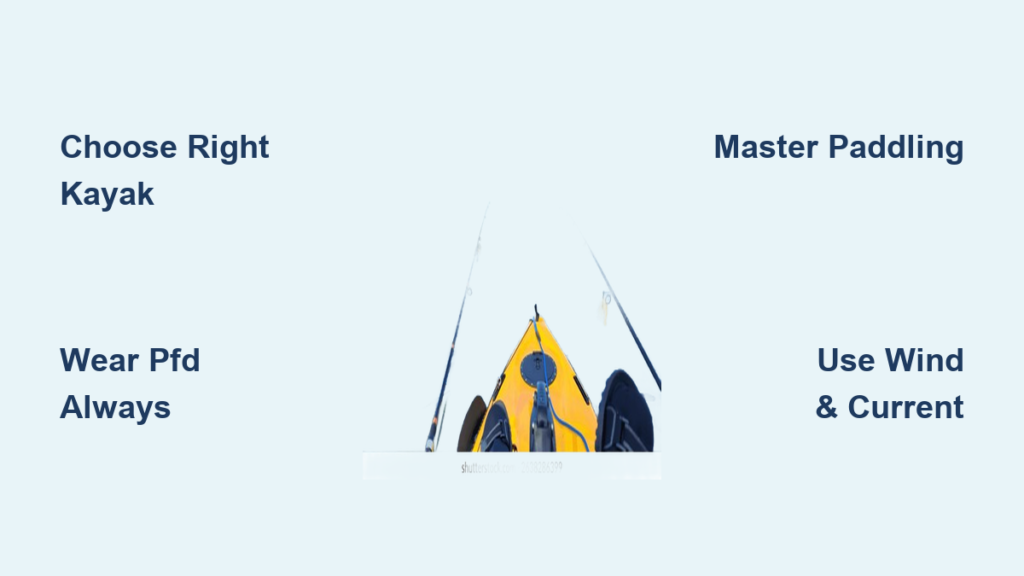
Wear a PFD at All Times
Your personal flotation device isn’t optional. It’s your lifeline. Choose a fishing-specific vest with pockets for pliers, line cutters, and a whistle. Inflatable PFDs feel comfortable but lack storage and may not deploy if submerged quickly.
Rule number one: dress to swim. Wear quick-dry clothing, never cotton. In cold weather, layer with synthetic base layers and a floatable jacket. If you capsize, you’ll stay warm and mobile.
Carry These Essential Safety Items
Every kayak angler should carry these items on every trip:
- Whistle: Required by law. Use it to signal for help.
- 360-degree light: Mandatory if fishing at dawn, dusk, or night.
- First aid kit: Treat hook injuries, cuts, or jellyfish stings.
- Knife: Your emergency tool. Cut tangled anchor lines or net straps in critical situations.
- Float plan: Tell someone your launch site, route, and expected return time.
Bonus: carry a marine VHF radio on open water. Cell phones fail. Radios save lives.
Organize Your Fishing Gear Efficiently
Start simple: one rod, three lures, one tackle box. As you grow, adopt the four-rod system for versatility:
• Multi-Purpose: 7-foot medium-heavy baitcaster for Texas rigs, jigs, and chatterbaits
• Treble Hook Rod: 6-foot-8-inch medium for crankbaits and topwater lures
• Finesse Spinning Rod: 7-foot medium for drop shots and Ned rigs
• Meat Stick: 7-foot-6-inch heavy for flipping frogs and thick cover
Store lures in waterproof tackle boxes. Salt and moisture destroy hooks and split rings quickly. Use milk crates strapped to your deck to organize boxes, snacks, and tools.
Install Key Accessories Before Your First Trip
Mount rod holders in front for trolling visibility. Avoid rear-mounted holders because they’re out of sight. Use a RAM X-Grip phone mount with a power bank and run apps like ANGLR or Fishidy for GPS waypoints.
A 10-pound mushroom anchor with 25 feet of nylon rope lets you hold position in wind or current. Use an anchor trolley to shift from bow to stern efficiently. Even a basic DownScan fish finder reveals drop-offs, weeds, and fish schools.
Launch, Load, and Transport Efficiently
Transport Your Kayak Without a Trailer
You don’t need a trailer. Most anglers use roof racks with padded cradles and ratchet straps, or simply slide the kayak into a truck bed. Kayak carts prove essential if launching from grass or sand. Models like the Kayak Carrier Taxi roll smoothly over varied terrain.
Practice loading solo. With proper technique, you can set up in under 5 minutes.
Launch Like a Pro
Follow these steps for a safe launch:
- Position the kayak parallel to shore with the stern in the water.
- Step in from the side, not over the bow.
- Sit down first, then bring your legs inside.
- Push off gently once centered and balanced.
Avoid dragging your kayak on concrete. It scratches the hull badly. Use a skid plate or carpeted ramp instead.
Store Your Kayak Properly
Store the kayak on its side against a wall to save space and prevent hull warping. Use a rack or ceiling hoist to keep it off the ground and protected from pests. Never store a wet kayak indoors. Mold and mildew grow fast. Rinse and dry after every trip, especially after saltwater use.
Master Paddling Techniques for Anglers
Forward Stroke: Power with Less Effort
Most beginners paddle too low and too far from the boat. Do this instead. Reach full extension to your toes. Keep the blade vertical and pull close to the hull. Rotate your torso, not just your arms.
This technique achieves speeds up to 2.6 miles per hour, faster than a low-speed trolling motor, and cuts fatigue in half.
Turn Without Losing Position
The forward sweep reaches forward and pushes the paddle out in a wide arc, turning the bow. The reverse sweep reaches behind and stops motion while pivoting quickly. The draw stroke pulls the paddle sideways toward the boat, moving you laterally for fine-tuning casts.
Paddle One-Handed While Fishing
Essential for paddle-only anglers. Use short, controlled strokes on one side to adjust position while holding a rod. Practice offside strokes, pushing the paddle across the boat, to move smoothly without spinning the kayak.
Use Your Rod as a Rudder
Cast toward the bank and rotate your body as the lure retrieves. The line tension turns the kayak naturally, letting you reposition without paddling. This technique works great in tight cover or current seams.
Fish Smarter from Your Kayak

Cast Quietly and Accurately
Your kayak’s low profile is a stealth advantage. Avoid slapping the water with your lure. Use sidearm or underhand casts to keep noise down. Skip baits under docks with a low, rolling motion. Let the kayak drift naturally instead of paddling into position and spooking fish.
Land Fish Safely
When landing a fish, set the hook with a sharp rod lift. Keep tension steady. Don’t let the fish run toward your anchor line. Use a net or grab the line near the reel if the fish is small. Never stand up during a fight. Shift your weight slowly instead.
If the fish dives under the kayak, lift the rod high to redirect it.
Use Wind and Current to Your Advantage
Paddle upstream or upwind first. Let the current or breeze carry you back to your launch point. Drift along weed lines at natural speed without paddling. Fish eddies behind rocks or points. These calm zones hold bass waiting to ambush prey.
Plan Your Route with a Float Plan
Before launching, map your spots using GPS apps. Drop waypoints on drop-offs, lily pad edges, creek mouths, and current breaks. Time your trip so you’re not caught in the dark. A 4-hour window works well for beginners.
Stay Safe on Every Trip
Follow the Three Unwritten Rules
First, dress to swim. Assume you’ll get wet. Wear quick-dry clothes and a PFD at all times. Second, rig to flip. Secure everything with bungees, dry bags, or leashes. If you capsize, your gear stays with you. Third, learn your centerline. Keep your weight centered. Leaning too far causes tipping.
Watch the Weather Closely
Check forecasts before leaving. Wind over 15 miles per hour makes paddling exhausting. Thunderstorms can roll in fast. Get off the water early if conditions deteriorate.
Wear polarized sunglasses to see fish and avoid submerged logs. Use a wide-brimmed hat and bug buff for sun and insect protection.
Stay Hydrated and Fueled
Bring two liters of water and high-energy snacks like nuts, bars, or jerky. Fishing burns calories fast, especially in heat or wind.
Practice Self-Rescue Before You Need It
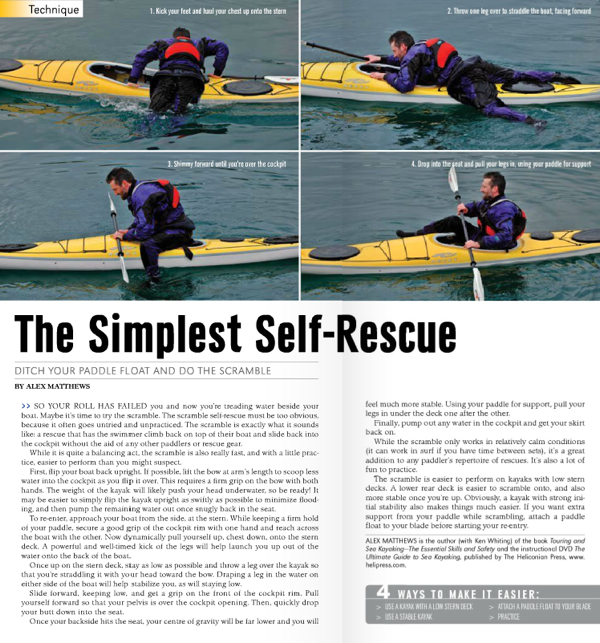
If you capsize, hold onto your kayak. It’s your flotation device. Swim it to shallow water if possible. Drain water using scupper plugs or a bilge pump. Re-enter using the cowboy scramble or paddle float method. Practice in calm water with a buddy present.
Maintain Your Kayak and Gear
Rinse After Every Use
Saltwater and mud corrode metal parts and degrade plastic. Rinse your kayak, pedals, and tracks with fresh water. Let it dry completely before storing.
Inspect Your Gear Regularly
Check your PFD straps and inflation mechanism monthly. Look for frays or weak spots on anchor rope. Ensure paddle blades aren’t cracked and the shaft isn’t bent. Confirm electronics mounts are tight and wiring is dry.
Store Electronics Properly
Keep phones, fish finders, and batteries in dry bags when not in use. Moisture kills electronics fast.
Frequently Asked Questions About Using a Fishing Kayak
What is the best length kayak for beginners?
Kayaks between 10 and 12 feet offer the best balance of stability, speed, and maneuverability for most beginners. This length tracks well in a straight line while remaining manageable for transport and storage.
Can I stand up in a fishing kayak?
Yes, many fishing kayaks are designed for standing. Look for models with wider hulls around 36 to 37 inches and flat or pontoon-style bottoms. Practice in calm, shallow water before attempting to stand in challenging conditions.
Do I need a special license to fish from a kayak?
Fishing license requirements vary by state and apply to kayak anglers just like bank fishermen. Check your local regulations. Some states require additional permits for certain species or bodies of water.
How do I prevent my gear from getting wet?
Use waterproof tackle boxes, dry bags, and scupper plugs. Secure all gear with bungees or leashes. Assume a capsize is possible and prepare accordingly. Store electronics in sealed dry bags.
What propulsion method is best for kayak fishing?
It depends on your needs. Paddle kayaks cost less and require less maintenance. Pedal kayaks offer hands-free operation but cost more. Motor-ready kayaks work well for large lakes but add weight and expense.
How do I launch a kayak without a ramp?
Find a gradual slope, dock, or shallow area. Position the kayak parallel to shore with the stern slightly in the water. Step in from the side, sit down, then bring your legs inside before pushing off.
Key Takeaways for Using Your Fishing Kayak Successfully

Learning how to use a fishing kayak opens a world of quiet, affordable, and highly effective angling. Choose a sit-on-top kayak with adequate width and length for your body size and fishing environment. Prioritize safety by wearing a PFD at all times, carrying essential rescue gear, and practicing self-rescue techniques.
Master the forward stroke to achieve speeds faster than trolling motors while reducing fatigue. Use wind and current to your advantage rather than fighting them. Maintain your gear by rinsing after every trip and storing electronics in dry conditions.
Start simple with one rod and a few confidence lures. Build your system gradually as you gain experience. Let the water teach you. With the right habits, your kayak becomes more than a boat. It becomes your personal fishing fortress on the waves.