
Magnet fishing is more than just a hobby. It combines adventure, history hunting, and environmental cleanup into one exciting activity. With just a strong magnet, a durable rope, and the right safety gear, you can pull forgotten relics and dangerous debris from rivers, lakes, and canals. But before you cast your first line, knowing how to set up magnet fishing properly is critical. A single weak link, especially between the rope and magnet, can mean losing hundreds of dollars in gear or risking serious injury.
This guide walks you through every essential step. You will learn how to choose the right magnet, secure connections with proven knots, select safe locations, and handle unexpected finds. Whether you are using a pre-built kit or assembling your own rig, this setup ensures reliability, safety, and success.
Choose the Right Magnet Strength

The magnet is the heart of your setup. Selecting the correct pulling force balances success with safety and cost.
Start with a 120-Pound Neodymium Magnet
For beginners, a 120-pound single-sided neodymium magnet is ideal. It provides enough power to pull up old tools, keys, and small historical items but remains light enough to retrieve safely without mechanical help. These magnets typically cost between $20 and $25, making them an affordable entry point.
Avoid jumping straight to 2,000-pound magnets. They are expensive, extremely dangerous if they become stuck, and often result in lost gear or injury when pulled free. Stick with a manageable strength until you gain experience.
Single-Sided vs Double-Sided Magnets
Single-sided magnets focus all pulling force on one face, giving stronger vertical lift. This makes them perfect for beginners who want to raise objects straight up. They are easier to control and less likely to snag sideways on debris.
Double-sided magnets attract metal from both top and bottom, increasing the chance of catching something as you drag along the riverbed. However, their pull is split between two sides, so each side has less lifting power. These work best for intermediate users scanning wide areas.
Protect and Store Your Magnet Properly
Neodymium magnets corrode quickly in water. Wrap the sides and base with yellow electrical tape or duct tape to prevent rust, improve visibility in murky water, and protect against rocks.
When not in use, store the magnet in a plastic tackle box, foam cover, or polystyrene container. Never leave it loose near metal because it can snap violently onto surfaces, damaging the magnet or injuring fingers.
Keep the magnet away from electronics, credit cards, and phones. The magnetic field can erase data or damage screens.
Select the Correct Rope and Length
The rope is your lifeline. Choosing the wrong one can lead to equipment loss or dangerous situations.
Use a 6mm Synthetic Rope
Choose a 6mm diameter synthetic rope, preferably nylon or polypropylene, with a minimum 330-pound breaking strength. This exceeds the load of a 120-pound magnet and allows room to upgrade later.
A 15-meter (45-foot) rope works for most bridge and shoreline fishing. If targeting deeper water or casting from high bridges, extend to 50 or 100 feet. Many anglers use two 50-foot sections joined with a secure knot for longer distances.
Ensure the rope is dry-treated and non-rotting so it does not absorb water, weaken over time, or develop mildew.
Anchor the Rope Before Throwing
Never throw the magnet without securing the rope end. If you lose your grip, the entire setup could sink and vanish.
Before casting, anchor the free end to a tree, railing, post, or bridge support. This acts as a failsafe. If the magnet snags or sinks fast, the rope stays put.
Some anglers clip the rope to a heavy-duty five-gallon bucket filled with sand or water. It serves as both anchor and storage for finds.
Secure the Magnet-to-Rope Connection
The connection between rope and magnet is the most common point of failure. Improper assembly leads to lost magnets.
Lock the Eyebolt with Thread Locker
The number one cause of lost magnets is the eyebolt unscrewing under tension. To prevent this, apply Loctite thread locker (red or medium-strength) to the threads of the eyebolt. Screw it tightly into the magnet using a screwdriver or Allen key.
Then let it cure for 24 hours before use. This step is non-negotiable. Skipping it risks total gear loss. Superglue or two-part epoxy are alternatives, but Loctite offers the best balance of strength and removability if needed.
Attach Rope with a Stainless Steel Carabiner
Use a 3/16-inch stainless steel locking carabiner between the rope and magnet. Stainless steel prevents galvanic corrosion, a destructive reaction that occurs when dissimilar metals connect in water.
Do not tie the rope directly to the eyebolt. The carabiner allows quick release if the magnet gets stuck, letting you sacrifice the magnet to save the rope.
Keep the carabiner unglued and untaped so you can swap magnets or detach quickly in emergencies.
Tie a Figure-Eight on a Bight
The Figure-Eight on a Bight is the most reliable knot for attaching the rope to the carabiner. It holds under heavy load and will not slip.
To tie it, follow these steps:
- Fold a loop (bight) at the rope end.
- Form a figure-eight shape with the loop.
- Pass the loop through the carabiner.
- Feed the tag end back through the knot, following the original path.
- Pull tight.
Then add one or two half hitches around the standing line using the leftover tag end. Leave at least a foot of tag end. This secures the knot against loosening from vibration or water movement.
Alternative knots include the Bowline or Palomar Knot, but the figure-eight is preferred for its strength and ease of inspection.
Wear Essential Safety Gear
Safety gear protects you from the hazards commonly found in magnet fishing locations.
Use Heavy-Duty Gloves and Boots
Finds often include rusty metal, broken glass, barbed wire, or sharp tools. Always wear thick work gloves to protect your hands from cuts and potential tetanus exposure.
Ensure your tetanus shot is current (within 10 years). Rusty metal is common, and infections can be serious.
Wear sturdy boots with good grip, especially on slippery banks or wet rocks. Avoid sandals or sneakers.
Carry a Grappling Hook and Bucket
A sharp, heavy-duty grappling hook helps retrieve non-magnetic items like safes, bicycles, or suitcases once they are near the surface. It can also help pry a stuck magnet loose.
Use a five-gallon construction bucket to store your gear, rinse off finds, and keep your setup organized. Some users add sand for weight, turning it into a portable anchor.
Find Legal and Productive Locations
Location choice determines your success rate and legal compliance.
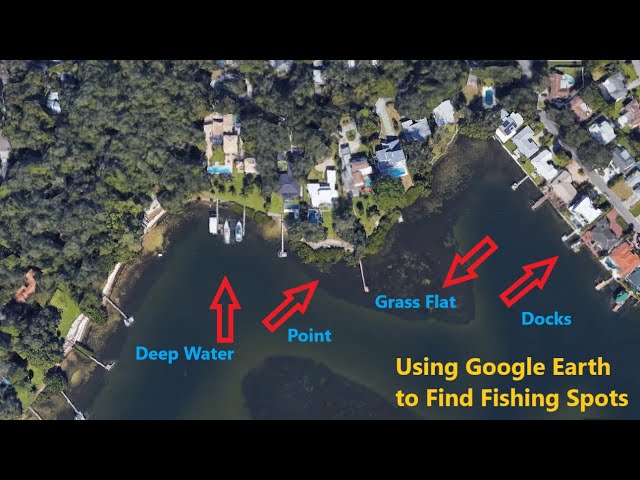
Scout Using Google Earth and BridgeHunter.com
The best spots have high human activity. Use Google Earth to locate bridges, canals, marinas, fishing piers, and riverbanks near parks.
Visit BridgeHunter.com to find historical and modern bridges by region. Bridges are hotspots because people often toss tools, safes, or even firearms from them.
Look for areas with murky water and slow currents. These conditions help debris settle and reduce the chance of your line being swept away.
Use brightly colored rope (like orange paracord) so you can see it in dark water and avoid tripping hazards.
Check Local Laws Before You Go
Magnet fishing legality varies widely by region. Always verify local regulations before heading out.
In the UK, magnet fishing is illegal in Canal and River Trust waters. It is only allowed on private land with permission.
In the USA, it is mostly legal but check local rules. South Carolina bans lifting devices in some waters. Indiana and Wisconsin require permits. Massachusetts needs special authorization. Idaho regulates it at the county or city level.
Always ask for permission on private property. Trespassing can lead to fines or confiscation.
Never fish near military zones, dams, or active infrastructure.
Handle Stuck Magnets Safely

A stuck magnet is a common problem. Knowing how to handle it prevents injury and equipment loss.
Never Use a Come-Along or Winch
Do not use mechanical advantage tools like come-alongs, winches, or trucks unless you are trained. When a high-strength magnet breaks free, it can snap back with lethal force, causing broken bones, lacerations, or death.
Many injuries occur because users underestimate the stored energy in a stuck magnet.
Try Changing Pull Angles First
If the magnet will not budge, walk along the shore to pull from a different direction. Try side-to-side or opposite-side pulls to break the seal.
Use short, sharp tugs instead of steady pressure. This can dislodge the magnet without building dangerous tension.
If safe, enter shallow water to manually twist or pry the magnet loose with a tool.
Know When to Sacrifice the Magnet
If the magnet is truly stuck on rebar, a car frame, or bridge foundation, unlock the carabiner and detach the rope. Leave the magnet behind and mark the spot. Return later with better tools or accept the loss.
Losing a $25 magnet is better than losing a finger or your rope and carabiner.
Never cut the rope unless absolutely necessary. You will lose everything.
Manage and Dispose of Finds Responsibly
What you do with your finds matters for safety and the environment.
Sort Finds Into Categories
Once retrieved, sort your haul into categories. Scrap metal includes nuts, bolts, tools, and bike parts. Take these to a scrap yard where many pay by weight.
Historical items include old coins, lanterns, or weapons. Research local laws on artifact ownership.
Personal items like wallets or phones can often be returned via social media or local authorities.
Report Dangerous Objects Immediately
Some finds are hazardous and require professional handling.
Firearms are common, especially in Europe (often WWII relics). Do not touch or clean them. Contact police immediately.
Unexploded ordnance includes grenades, shells, or suspicious tubes. Do not move them. Lower them back into water if safe, secure the area, and call law enforcement.
Safes are often empty, but if sealed or suspicious, do not open them. Report to authorities because they may contain evidence or hazardous materials.
Clean Up After Yourself
Magnet fishing is a form of environmental cleanup. Dispose of non-valuable trash properly. Recycle metal. Do not leave debris on banks.
Rinse your gear after each use to prevent corrosion.
Frequently Asked Questions About Setting Up Magnet Fishing
What strength magnet should a beginner use?
A 120-pound neodymium magnet is ideal for beginners. It offers enough pulling power to find common items like tools and scrap metal without being too difficult to handle. This strength strikes the best balance between success rate and safety for new magnet fishers.
How long does thread locker take to cure on a magnet eyebolt?
Thread locker requires a full 24 hours to cure completely before use. This waiting period is essential. Skipping it is the number one cause of lost magnets because the eyebolt can unscrew under tension during retrieval.
What rope is best for magnet fishing?
A 6mm synthetic rope with at least 330-pound breaking strength works best. Nylon or polypropylene ropes are ideal because they are durable, water-resistant, and provide a comfortable grip. A 15-meter (45-foot) length suits most fishing situations.
Is magnet fishing legal everywhere?
No, magnet fishing legality varies by location. It is illegal in UK Canal and River Trust waters. In the USA, some states require permits (Indiana, Wisconsin) or special authorization (Massachusetts). Always check local laws before fishing.
What should I do if my magnet gets stuck?
First, try changing your pull angle by walking along the shore. Use short, sharp tugs rather than steady pressure. If that fails and the magnet is truly stuck on a large object, unlock the carabiner and sacrifice the magnet to save your rope. Never use a come-along or winch unless you are trained.
Key Takeaways for Setting Up Magnet Fishing

Setting up magnet fishing the right way means more than just finding cool objects. It means doing it safely, legally, and sustainably.
Your magnet choice matters. Start with a 120-pound neodymium magnet for the best balance of power and control. Protect it with tape against corrosion and store it safely away from metal and electronics.
The connection is everything. Apply thread locker to the eyebolt and wait 24 hours. Use a stainless steel carabiner and tie a Figure-Eight on a Bight knot with half hitches for security.
Always check local laws before you go. Legal requirements vary widely between countries and states. Obtaining permission on private property is essential.
Now that your rig is secure and your safety plan is in place, you are ready to cast your first line. Stay alert, respect the water, and always prioritize safety over salvage. Happy hunting.