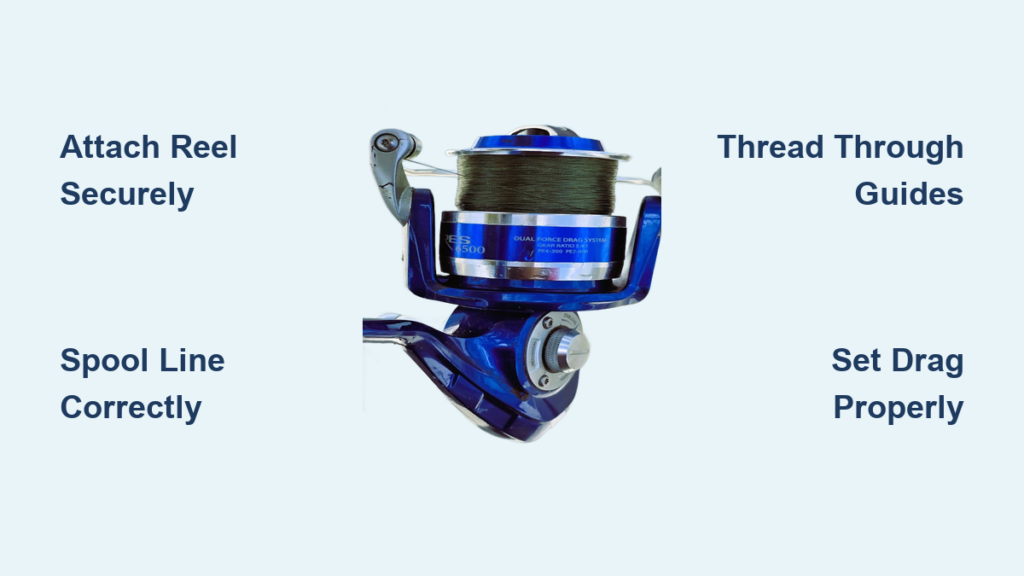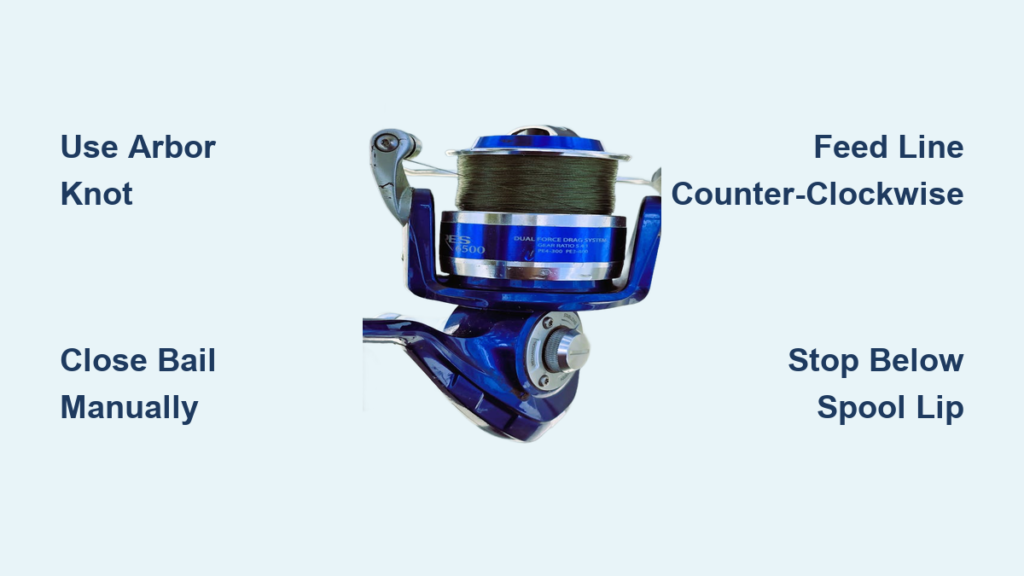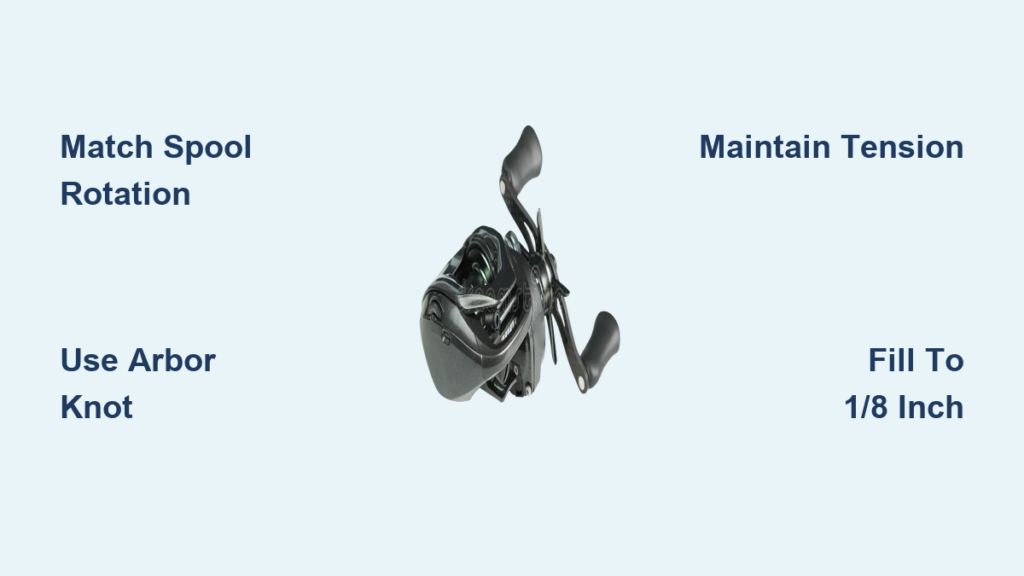
You’re setting up for a fishing trip, spooling a new reel, or splitting a bulk line purchase, and suddenly realize you have no idea how much line is actually on your spool. Guessing leads to wasted line, inconsistent casting, or running short during a deep drop. Learning how to measure fishing line precisely solves this problem completely. Whether you’re using braid, fluorocarbon, or monofilament, knowing the exact yardage ensures you get the right amount every time.
This guide covers every proven method for measuring fishing line, from simple math calculations using your reel’s retrieve rate to physical techniques, digital tools, and advanced volume calculations. You’ll learn which approach works best for your specific situation, whether you’re filling a reel, creating a top-shot, or splitting bulk spools.
Calculate Line Length Using Retrieve Rate Math

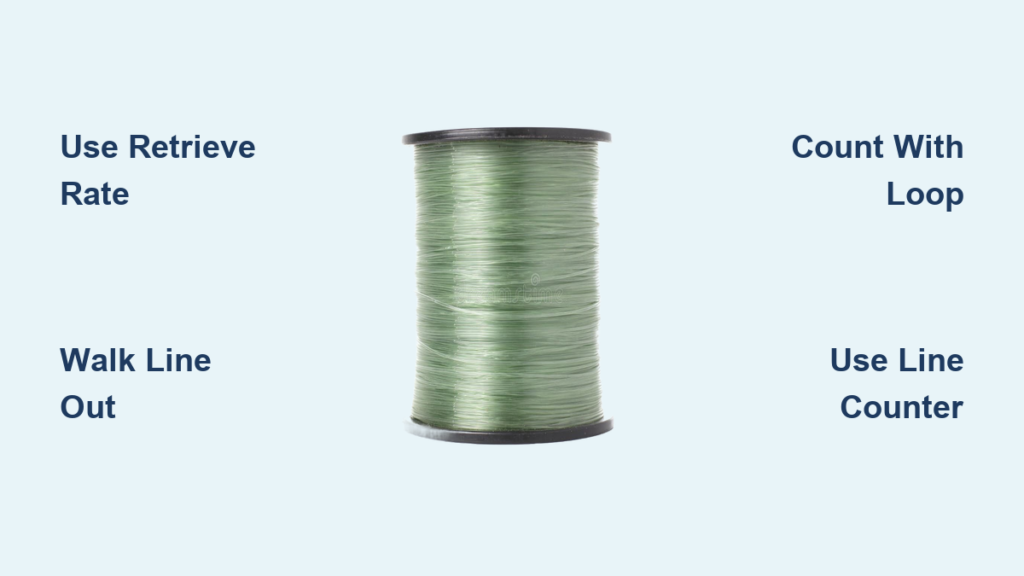
The most accurate way to measure fishing line without special tools uses your reel’s retrieve rate, a built-in specification that tells you exactly how much line is pulled per handle turn.
Find Your Reel’s Inches Per Turn
Every fishing reel has an inches-per-turn (IPT) rating, typically printed on the reel body or listed in the manual. This number represents how many inches of line are retrieved with one full crank of the handle. For example, a spinning reel might have a 32-inch retrieve rate, meaning each complete rotation pulls in 32 inches of line. This rate stays consistent regardless of line type, though the actual amount retrieved changes slightly as line builds up on the spool.
Apply the Calculation Formula
To measure a specific length, convert your target yardage into inches and divide by the IPT using this formula:
Required Turns = (Yards × 3 × 12) ÷ IPT
For example, to spool 100 yards on a reel with a 32-inch retrieve rate, multiply 100 by 3 to get 300 feet, then multiply by 12 to get 3,600 inches. Divide 3,600 by 32 to get 112.5 turns. This means 112 full cranks plus a half turn equals exactly 100 yards.
Count Turns Like a Pro
Mark your handle starting position with a piece of tape to track rotations accurately. Begin counting from “1” after the first full turn completes. For half-turns, stop at the 180-degree position relative to your marker. Crank steadily throughout the process to avoid miscounting. This method works perfectly for filling reels to capacity or creating precise top-shots when you don’t have a line counter.
Measure Fishing Line with Physical Methods
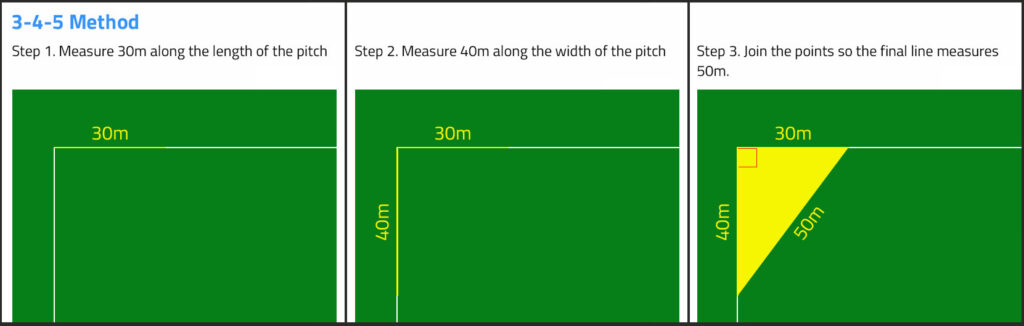
When mathematical calculations aren’t convenient, or you need to verify length physically, several real-world techniques get the job done.
Walk Out Line on Marked Ground
Use a football field, tennis court, or park path with visible yard markers to measure fishing line accurately. Measure your target length using a tape measure if needed, anchor the line end, and walk it out while maintaining slight tension. Stop when you reach your mark. This method works best for splitting bulk spools or pre-measuring top-shots before spooling onto your reel.
Use the Loop-and-Count Technique
No open space? Use a 75-foot driveway or hallway and loop the line back and forth. Measure a fixed segment of 75 feet, which equals 25 yards. Run the line back and forth across this distance. Each full pass equals 50 yards (25 yards out plus 25 yards back). After six complete passes, you have exactly 300 yards. This technique is perfect for splitting a 300-yard spool into two 150-yard sections without walking 150 yards in a straight line.
Try the Arm Span Estimate
For quick field estimates when no tools are available, use your arm span as a measuring stick. Measure your fingertip-to-fingertip span (the average is about 60 inches or 5 feet). For 75 yards (225 feet), divide 225 by 5 to get 45 arm spans. Pull the line taut and count 45 full extensions. This method is fast but less accurate, best suited for rough estimates when you’re in a pinch.
Wrap Line Around Your Rod
Use your rod as a ruler by wrapping line around a known section. Measure the circumference from the rod tip to a specific guide (for example, a section measuring 12 inches). Wrap the line tightly around this section and count the wraps. Three wraps equal 36 inches, which equals exactly 1 yard. Ensure no overlaps or slack occur during wrapping. This technique works well for short top-shots or measuring backing layers.
Use a Measuring Stick for Consistent Casting Distance

If you need consistent casting distance rather than total spool length, a measuring stick (bankstick) provides precision control for every cast.
Set Up Your Casting Marker
Clip a 5-meter bankstick to your rod base. Wrap the fishing line from the bottom to the top of the stick, keeping it taut. When you reach your target distance (for example, 15 meters), pinch the line firmly between your fingers at that exact point. Now, every time you cast, let out line until your pinch point reaches the rod tip. This guarantees perfect distance control on every cast.
Why This Matters for Pattern Fishing
This method becomes essential when fishing near structure, drifting over reefs, or targeting schools at a fixed depth. It removes all guesswork and helps you replicate successful casts exactly. Tournament anglers and serious recreational fishers rely on this technique to maintain consistent presentation patterns.
Use Digital or Mechanical Line Counting Tools

For repeatable, hands-free measuring, dedicated tools designed for line counting deliver excellent accuracy without math or large spaces.
Try a Clip-On Line Counter
Devices like the Berkley Line Counter attach to your rod and count line automatically as it passes through. Set the counter to zero before starting, run the line through the wheel, and watch the digital display show your length in feet or meters. Stop when you reach your target. These devices cost around $13 and offer high accuracy with minimal effort. Run the line in the correct direction as some models only count forward motion.
Consider Metered Fishing Line
Some brands sell fishing line with colored stripes every meter or every 5 yards. This eliminates the need for any tools or calculations. Simply count the marks as you spool. This option works great for trolling or depth fishing where visual feedback matters. However, availability and color options tend to be more limited than standard solid-color lines.
Convert Line Diameters for Reel Capacity
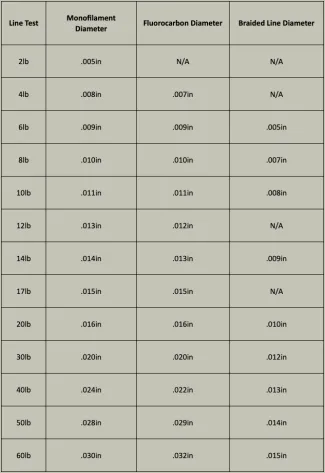
Reel capacity ratings are based on monofilament diameter, not line strength. Switching to braid or fluorocarbon changes how much line actually fits on your spool.
Understand Volume, Not Strength
A reel rated for “120 yards of 6lb mono” holds a fixed volume of line. Thinner lines like braid take up less space, so you can fit more yardage. Thicker lines fill the spool faster, reducing capacity. This principle matters when switching line types or calculating backing needs.
Calculate New Line Capacity
To find how much of a different line fits on your reel, use this formula:
New Capacity = Rated Capacity × (Rated Diameter ÷ New Diameter)²
For example, if your reel holds 120 yards of 0.009″ line and you switch to 0.010″ fluorocarbon, calculate (0.009 ÷ 0.010)² to get 0.81. Multiply 120 by 0.81 to get approximately 97 yards. This tells you exactly how much of the thicker line fits on your reel.
Apply This for Backing and Top-Shots
When using braid over mono backing, calculate the volume occupied by your backing first. Subtract this from your total spool capacity, then calculate how much braid fits in the remaining space. This prevents overfilling and ensures you know exactly how much premium line remains on bulk spools.
Apply Strategic Spooling Techniques
Different goals require different measuring strategies, especially when layering lines for optimal performance.
Reverse Spool for Exact Top-Shots
Need exactly 75 yards of braid on top of backing? Use the reverse spool method. First, measure and cut 75 yards of braid using any method above. Tie this cut end to an empty spare reel and spool the exact amount. Tie backing to the braid end and fill the spare reel completely. Finally, tie the free end of the backing to your target reel and transfer the entire setup. The result is a perfect top-shot with exact length and no waste.
Try the Walk-and-Swap Technique
No spare reel? Use the walk-and-swap method instead. Walk out and cut your exact braid length (for example, 75 yards). Spool this onto your target reel. Tie on backing and fill the reel completely. Cut the backing at the reel, then walk out the entire line. Re-spool it backing-first onto the reel. Now the braid sits on top with backing on the arbor, just like factory spooling.
Split Bulk Spools Efficiently
Buying 300-yard or larger spools saves money, but only if you can split them evenly. Use the math method (calculate turns for half the capacity and count), the field method (walk out your target distance and cut), or a line counter to stop at exactly half. This lets you use one bulk spool across multiple reels without wasting usable line.
Choose the Right Method for Your Situation
Not every technique works for every angler. Matching the method to your specific goal delivers the best results.
Tournament Anglers Need Precision
Use the reverse spool method or a line counter to ensure exact top-shots. Consistent casting distance and rule compliance depend on knowing your exact yardage. The math formula works for general filling, but precision methods matter when every inch counts.
Budget Fishers Maximize Value
Buy bulk line (3,500-yard spools) and use the math method or walk-out technique to split them evenly. Accurate measuring prevents waste and extends the value of your purchase significantly. A $13 line counter pays for itself after just a few bulk purchases.
Trollers Track Depth Exactly
Use metered line or a digital line counter to know exactly how deep your lure sits. Every yard matters when targeting structure or thermoclines. Knowing your exact depth prevents lost lures and helps you find the productive zone faster.
Recreational Anglers Keep It Simple
Stick with retrieve rate math or the arm span trick for general spooling. These methods are fast, free, and accurate enough for most casual fishing situations. You don’t need expensive tools to measure fishing line effectively.
Frequently Asked Questions About Measuring Fishing Line
How do I measure fishing line without a special tool?
Use your reel’s retrieve rate (inches per turn) to calculate exactly how many handle turns equal your target yardage. Alternatively, walk the line out on a football field or use the arm span method for physical measurement. Both approaches work without purchasing additional equipment.
Does line type affect how much fits on my reel?
Yes. Reel capacity is based on volume, not line strength. Thinner lines (like braid) fit more yardage, while thicker lines (like fluorocarbon) fit less. Always calculate diameter differences when switching line types to avoid overfilling or underfilling your spool.
Can I measure fishing line while it’s still on the spool?
Not directly. You need to spool off the line to measure it accurately. However, you can estimate remaining line by weighing the spool or using a line counter before depleting it completely. Some anglers mark their spools at regular intervals to track usage.
What’s the most accurate method for measuring fishing line?
The retrieve rate calculation provides the best balance of accuracy and simplicity. Using your reel’s IPT rating with the formula (Yards × 3 × 12) ÷ IPT gives precision within a yard for most applications. For tournament-level accuracy, use a digital line counter.
How do I split a 300-yard bulk spool evenly?
Use a line counter to spool exactly 150 yards onto another reel, or calculate the handle turns needed for 150 yards and count accurately. The walk-out method also works well: walk 150 yards on a field and cut there. Any of these approaches gives you two equal 150-yard sections.
Key Takeaways for Measuring Fishing Line
Measuring fishing line accurately comes down to choosing the right method for your situation. The retrieve rate math formula works for most spooling needs and requires no extra tools. Physical methods like walking out line or using your arm span provide verification when math feels uncertain. Digital line counters offer hands-free precision for anglers who spool frequently or need exact yardage for tournaments.
Understanding reel capacity and line diameter relationships prevents wasted line and ensures you maximize your bulk purchases. When switching between line types, always calculate the volume difference to know exactly how much fits. Strategic techniques like reverse spooling deliver perfect top-shots every time.
Pick a method, practice it a few times, and stick with it. Consistency matters more than perfection. With these techniques in your toolkit, you’ll spool smarter, cast with confidence, and never waste money on discarded line again.