You’re on the water, cast your line, and when it’s time to reel in, nothing happens. The handle turns, but the spool won’t spin. No line retrieves. This frustrating scenario happens to anglers every day, and the good news is that a fishing reel not spinning is usually caused by simple, fixable issues. Most problems stem from incorrect setup, loose drag settings, or line placement errors rather than serious internal damage. This guide walks you through every possible cause with step-by-step fixes so you can get back to fishing fast.
Bail Not Engaged Properly
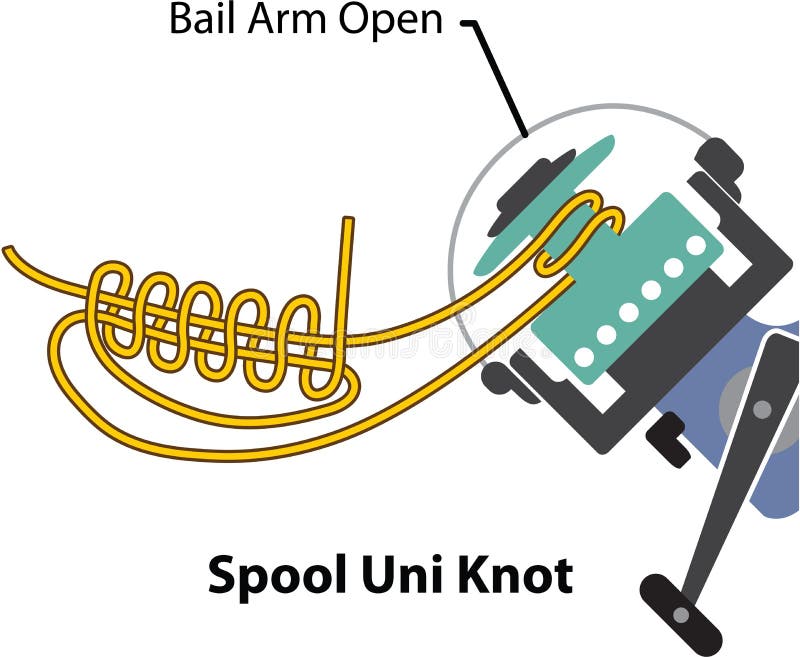
The bail is the wire arm that flips open and closed over the spool, and when it’s set up wrong, it completely disables line retrieval. If your reel handle spins but the line doesn’t move, the bail is the first place to look.
Line Wasn’t Threaded Under the Bail
Many anglers thread line through the rod guides before opening the bail. This mistake bypasses the pickup mechanism entirely. Even though the gears turn, the line isn’t captured, so no retrieval occurs.
How to fix it:
• Cut the hook or lure off safely
• Flip the bail arm fully open
• Pull the line back through all rod guides
• Re-thread from the spool, ensuring it passes under the open bail
• Close the bail manually
• Tie on your lure and test retrieval
Pro Tip: Always open the bail before running line through the guides. Never skip this step, even when you’re in a hurry.
Bail Roller Isn’t Turning Smoothly
The bail roller should glide freely along the bail arm during retrieval. If it’s stiff or stuck, it drags the line instead of guiding it properly.
What to check:
• Spin the roller with your finger; it should move smoothly
• Look for sand, salt, or corrosion buildup
• Clean with isopropyl alcohol and apply one drop of light oil
Warning: Forcing the handle with a stuck roller can damage the rotor gear.
Drag System Too Loose
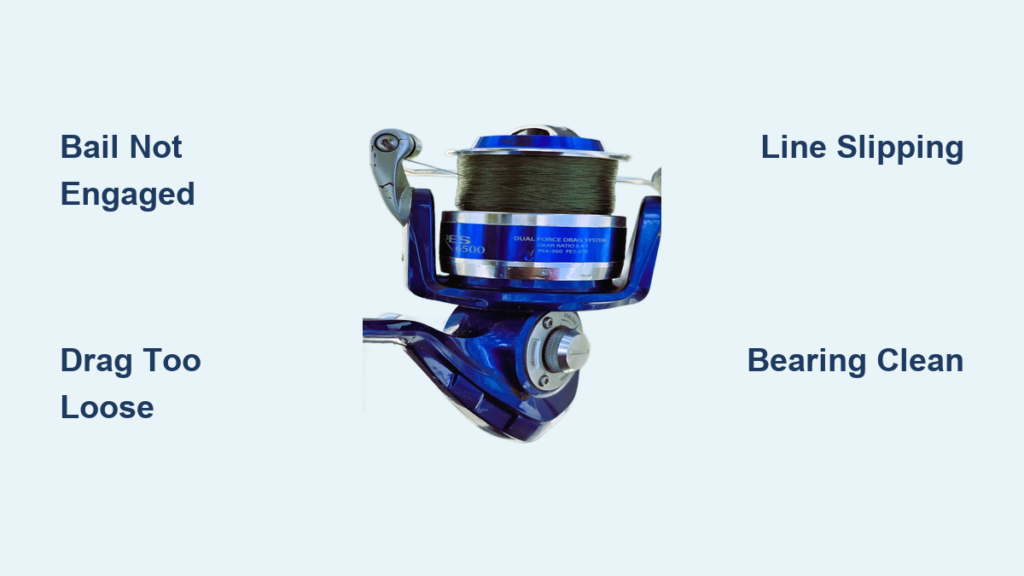
A surprisingly common cause of a fishing reel not spinning is an overly loose drag. When the drag knob is backed out completely, the spool spins freely just like during casting.
Spool Spins Without Resistance
If you can pull line off easily and the handle doesn’t engage the retrieval mechanism, the drag is likely disengaged.
How to fix it:
• Locate the drag knob (front or top of spool)
• Turn it clockwise 1 to 2 full turns
• Test by pulling line; you should feel slight resistance
• Crank the handle; line should now retrieve
Expert Note: A user testing a Daiwa Regal confirmed that tightening the drag fixed spinning gears but no retrieval instantly.
Don’t Over-Tighten the Drag
While too loose causes problems, over-tightening creates other issues. The line can break under pressure, the spool can bind, and gear strain increases significantly.
Best Practice: Set the drag so a strong fish can still pull line. Use a scale for accuracy, or follow the line rating printed on your spool.
Line Slipping on the Spool

This issue mostly affects braided line users. Braid is slick and can spin on an empty spool without winding, even when everything else is set up correctly.
Braided Line Won’t Grip Spool
Even with correct bail setup, braid may slip if there’s no friction between the line and the spool arbor.
Fix with electrical tape:
• Wrap 1 to 2 layers of electrical tape around the spool arbor
• Tie braid to the spool with an arbor knot
• Fill the spool as usual
Alternative: Use 10 to 15 yards of monofilament backing before spooling braid. This creates grip and prevents slippage entirely.
User Confirmed: A Shakespeare reel user reported braid spinning freely until they added tape, and the problem was solved immediately.
Internal Component Misalignment
Sometimes the issue isn’t external. A single misplaced washer or over-tightened screw can stop your reel from spinning.
Washer Installed on Wrong Gear
In a documented case with a Pen Battle 36000, a gold washer was placed on the main gear instead of above the pinion stack. This compressed the bearing assembly and caused severe binding.
How to check:
• Remove side plate screws carefully
• Inspect washer placement
• Ensure washer sits on top of the pinion gear stack, not on the main gear
• Reassemble loosely at first and test rotation before final tightening
Critical: Refer to your reel’s schematic, available online from the manufacturer, to verify correct part order.
Side Plate or Rotor Over-Tightened
Too much pressure on the side plate can bind gears and crush bearings, making the reel feel locked up.
Signs of over-tightening:
• Handle turns stiffly or not at all
• Gears grind or skip
• Reel feels completely locked
Fix:
• Loosen side plate screws slightly
• Re-tighten just until snug, no more
• Test rotation after each turn
Pro Tip: Use only two screws initially to align components, then add the rest once everything is positioned correctly.
Bearing Corrosion or Debris Buildup
Salt, sand, and dirt are silent killers of fishing reels. Bearings can seize or drag, making spinning impossible.
Stiff or Gritty Reel Rotation
If the handle feels rough or binds intermittently, inspect the bearings.
Steps to clean:
• Remove side plate
• Take out upper and lower spool bearings
• Soak in isopropyl alcohol for 5 to 10 minutes
• Dry thoroughly with a lint-free cloth
• Apply one drop of light reel oil
• Reinstall carefully
Warning: Never use WD-40 as a lubricant. It displaces water but evaporates quickly and can damage seals.
Grease Buildup Creates Vacuum
Too much grease inside the side cover can create suction, pulling bearings out of alignment and causing drag.
Solution:
• Clean out old grease with a brush
• Reapply a pea-sized amount of reel-specific grease to gears
• Avoid coating bearings with grease; use oil only on those components
Mechanical Failure: Gears, Shafts, or Clutch
When simple fixes don’t work, internal damage may be the cause. This is less common but possible after impact or long-term wear.
Broken Gear Teeth or Sheared Shaft
If the handle turns but nothing inside moves, check for chipped or missing gear teeth, a bent drive shaft, or a worn clutch dog.
Diagnosis:
• Open the side plate
• Rotate handle slowly and watch gear engagement
• Look for gaps, wobble, or disengagement
Repair options:
• Replace pinion or main gear (available from OEM or third-party)
• Rebuild with new pawls, springs, or drag washers
• Consider full replacement if parts are unavailable
User Insight: One angler replaced a stripped gear on a Penn reel for under $15 and saved the entire unit.
Reel-Type Specific Fixes
Different reels fail in different ways. Here’s how to troubleshoot by type.
Spinning Reels: Handle Spins, No Retrieval
The most common issue is line not under the bail or drag too loose.
Quick checklist:
• Bail open during line threading
• Drag knob tightened slightly
• Braid secured with tape or backing
• Bearings spinning freely
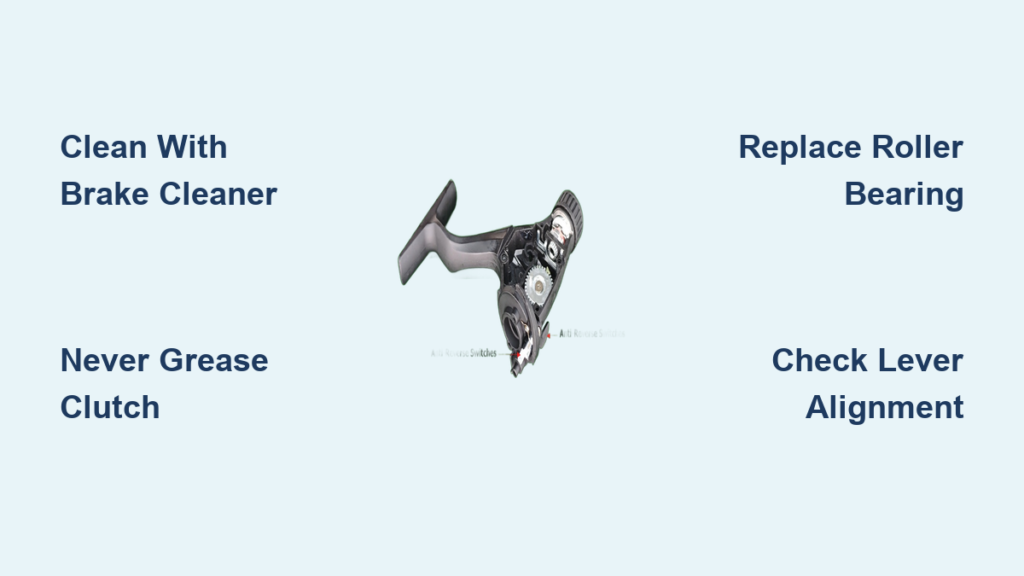
Baitcast Reels: Handle Turns, Spool Stuck
If the handle moves but the spool doesn’t, check the clutch or brake system.
Common causes:
• Clutch lever not in retrieve mode
• Brake system too tight
• Worn clutch dog
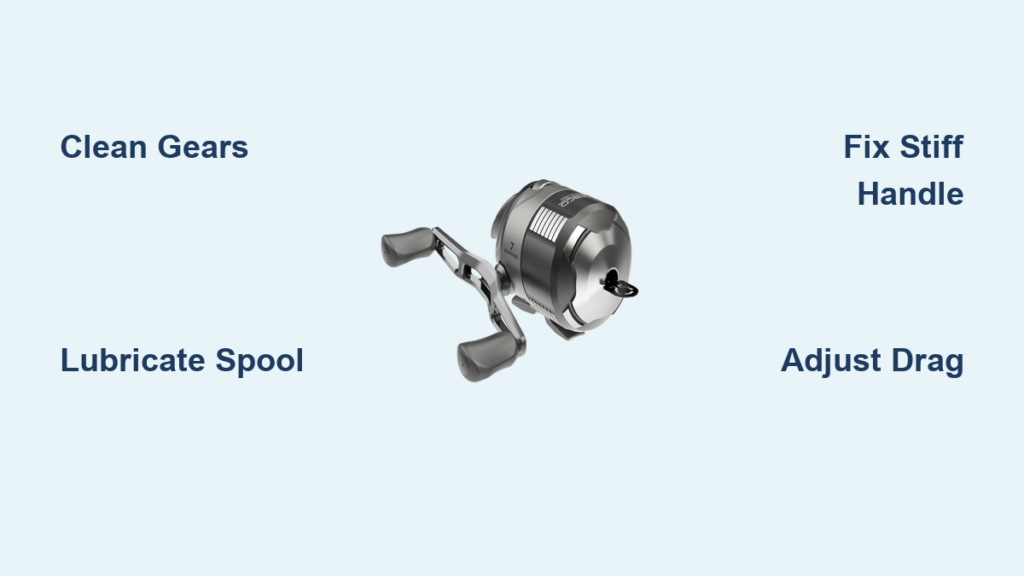
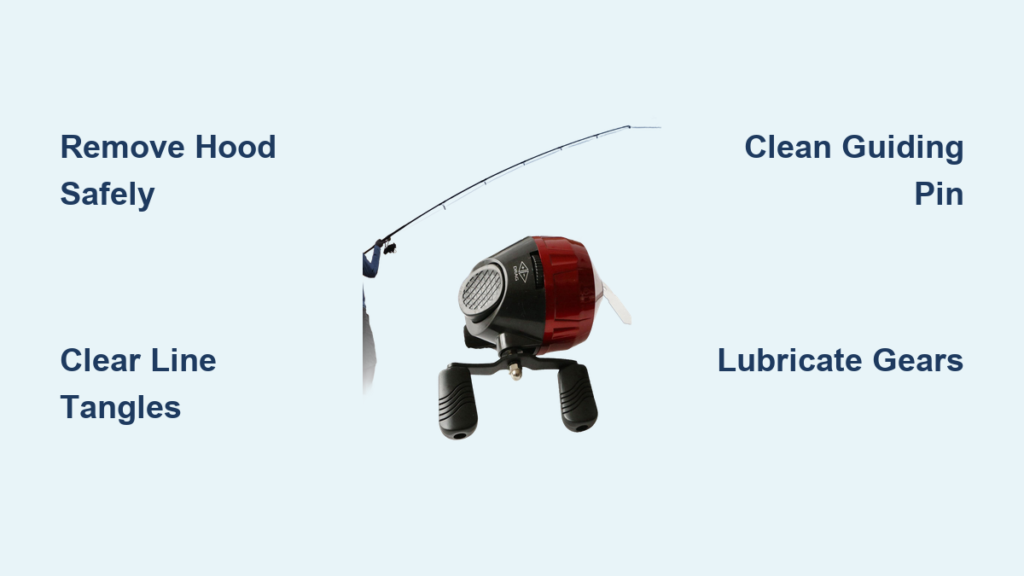
Spincast Reels: Pickup Pin Not Catching
These closed-face reels use a spring-loaded pickup pin.
Fix:
• Open front cover
• Check if pickup pin aligns with spool groove
• Clean debris from internal gears
• Replace spool assembly if gear is stripped
Fly Reels: Handle Turns, Spool Doesn’t
This is usually caused by a seized drag or failed V-spring.
Solutions:
• Disassemble drag stack
• Clean and re-lube washers
• Replace V-spring if bent
• Oil center shaft lightly
Prevent Future Spinning Issues
Avoid repeat problems with these maintenance habits.
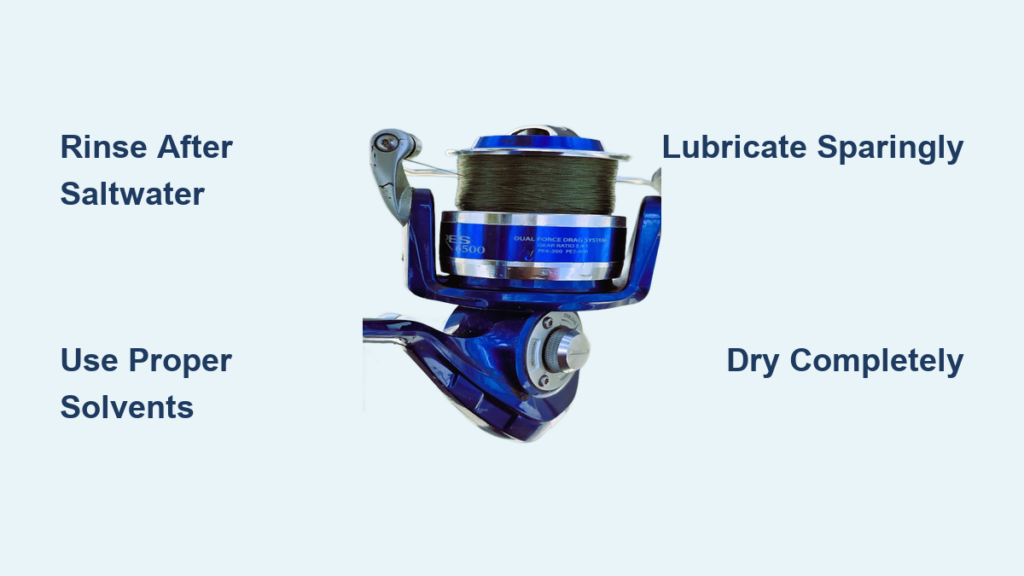
Rinse After Every Saltwater Use
Salt is the number one enemy of reels.
Best practice:
• Rinse with fresh water immediately after fishing
• Spray around bail, handle, and side plate
• Dry with microfiber cloth
• Store in a dry place
Fact: A reel used in saltwater without rinsing can fail in under 10 uses.
Annual Reel Overhaul
Even freshwater reels need deep cleaning annually.
What to do:
• Disassemble side plate
• Inspect gears and bearings
• Clean and re-lube all moving parts
• Replace worn drag washers
Tools You Need for Repair
Fixing a fishing reel not spinning doesn’t require expensive gear.
Basic Toolkit:
• Small Phillips and flathead screwdrivers
• Needle-nose pliers
• Allen wrenches if applicable
• Isopropyl alcohol
• Microfiber cloth
• Reel oil and grease
Optional but Helpful:
• Manufacturer schematic (download online)
• Soft-jaw vise
• Torque screwdriver for precise tightening
When to Repair vs. Replace
Not every reel is worth fixing.
Repair If:
• High-quality brand like Shimano, Daiwa, or Penn
• Issue is setup-related (bail, drag, line)
• Parts are available
• You enjoy DIY maintenance
Replace If:
• Low-end reel under $30
• Gears are stripped or shaft is broken
• No replacement parts exist
• Repair cost exceeds 50% of new reel price
Frequently Asked Questions About Fishing Reel Not Spinning
Why does my fishing reel spin but not retrieve line?
The most common cause is the line not being threaded under the bail. Open the bail fully, re-thread the line under it, and close the bail manually. Another frequent issue is the drag being too loose; simply tighten the drag knob one to two turns.
Can a loose drag cause a fishing reel not to spin?
Yes. When the drag knob is backed out completely, the spool spins freely like during casting. Tightening the drag knob synchronizes the spool with the winding mechanism, allowing line retrieval.
How do I stop braided line from slipping on my spool?
Apply electrical tape around the spool arbor before spooling the braid. Alternatively, use 10 to 15 yards of monofilament backing to create friction. Always tie the braid to the spool with an arbor knot.
What causes fishing reel bearings to stop spinning?
Salt, sand, and dirt buildup causes bearings to seize or drag. Clean bearings with isopropyl alcohol, dry thoroughly, and apply one drop of light reel oil. Never use WD-40 as a long-term lubricant.
Should I repair or replace a fishing reel that won’t spin?
Repair high-quality reels from brands like Shimano, Daiwa, or Penn if the issue is setup-related. Replace low-end reels under $30 or models with stripped gears and no available replacement parts.
Key Takeaways for Fixing a Fishing Reel Not Spinning
Fixing a fishing reel not spinning is usually quick, easy, and free when you know what to check. The three most common causes are line not threaded under the bail, drag too loose, and braided line slipping on the spool. All three have simple fixes that take minutes. For internal issues like bearing corrosion or misaligned washers, proper cleaning and reassembly restore function in most cases. Always rinse your reel with fresh water after saltwater use, and perform annual maintenance to keep components spinning smoothly. With the right knowledge, you’ll spend less time troubleshooting and more time catching fish.