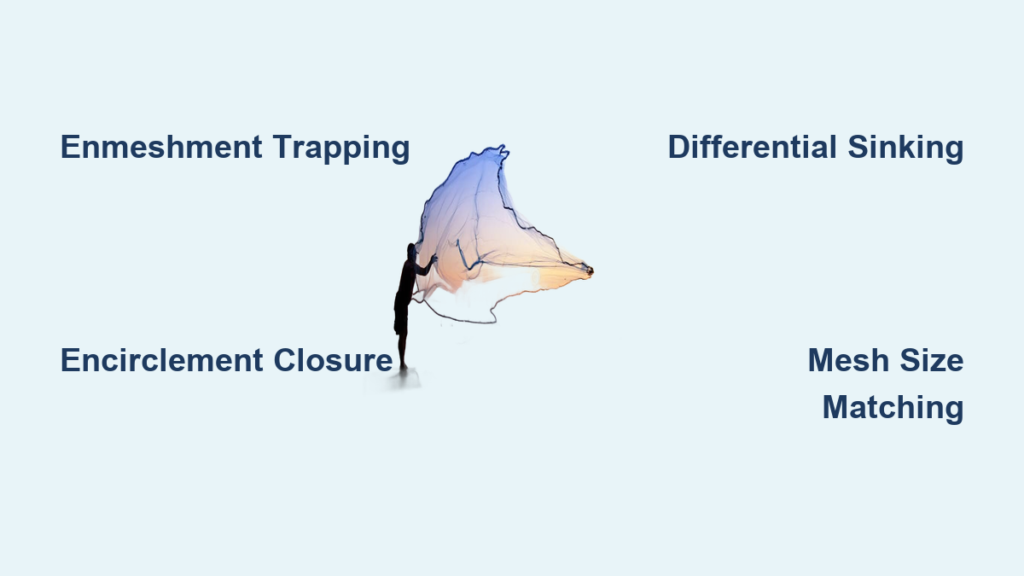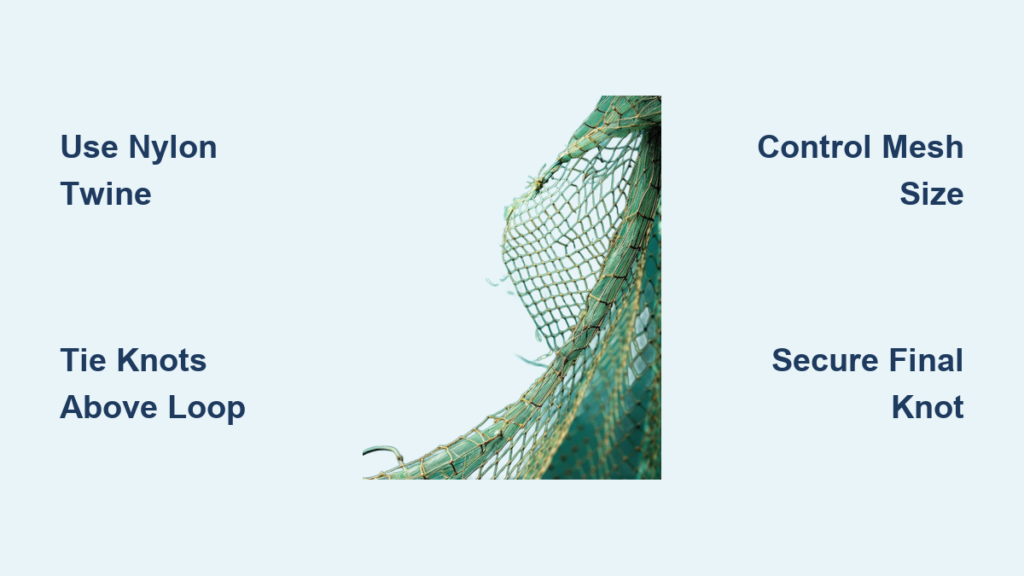

Casting a fishing net or landing a trophy fish is not about luck. It requires proper technique, correct timing, and the right equipment. Whether you are using a cast net to catch live bait or a landing net to secure a hard-fought bass, mastering the mechanics makes the difference between success and frustration. This guide covers exactly how to use a fishing net for both scenarios, with step-by-step instructions, common mistakes to avoid, and pro tips to protect your catch and gear.
Choose the Right Net for the Job
Using the correct net type is the first step toward success. Cast nets and landing nets serve completely different purposes and require distinct handling techniques.
Cast Net vs Landing Net: Key Differences
A cast net is circular with weights around the edge. You throw it by hand to trap schooling fish like minnows or shad. A landing net is handheld and attaches to a pole. You use it to scoop a fish that is already hooked on your line. Using the wrong net leads to poor results. Never attempt to cast a landing net or use a cast net to land a single large fish.
Know Your Cast Net Parts
Understanding your cast net anatomy ensures smooth operation and prevents tangles during use.
Essential Cast Net Components
The hand line is the tether that connects the net to your wrist for retrieval. The swivel prevents the line from twisting during the throw and pull. Bridle lines guide the net spread and closure. The horn is the central hub that keeps bridle lines separated. The mesh traps fish, and the mesh size determines which species you can catch. The lead line is the weighted bottom edge that sinks the net quickly. The net body is the circular expanse with diameters ranging from 4 to 8 feet.
Familiarity with these parts helps you diagnose issues like tangling or poor opening.
Pick the Correct Net Size
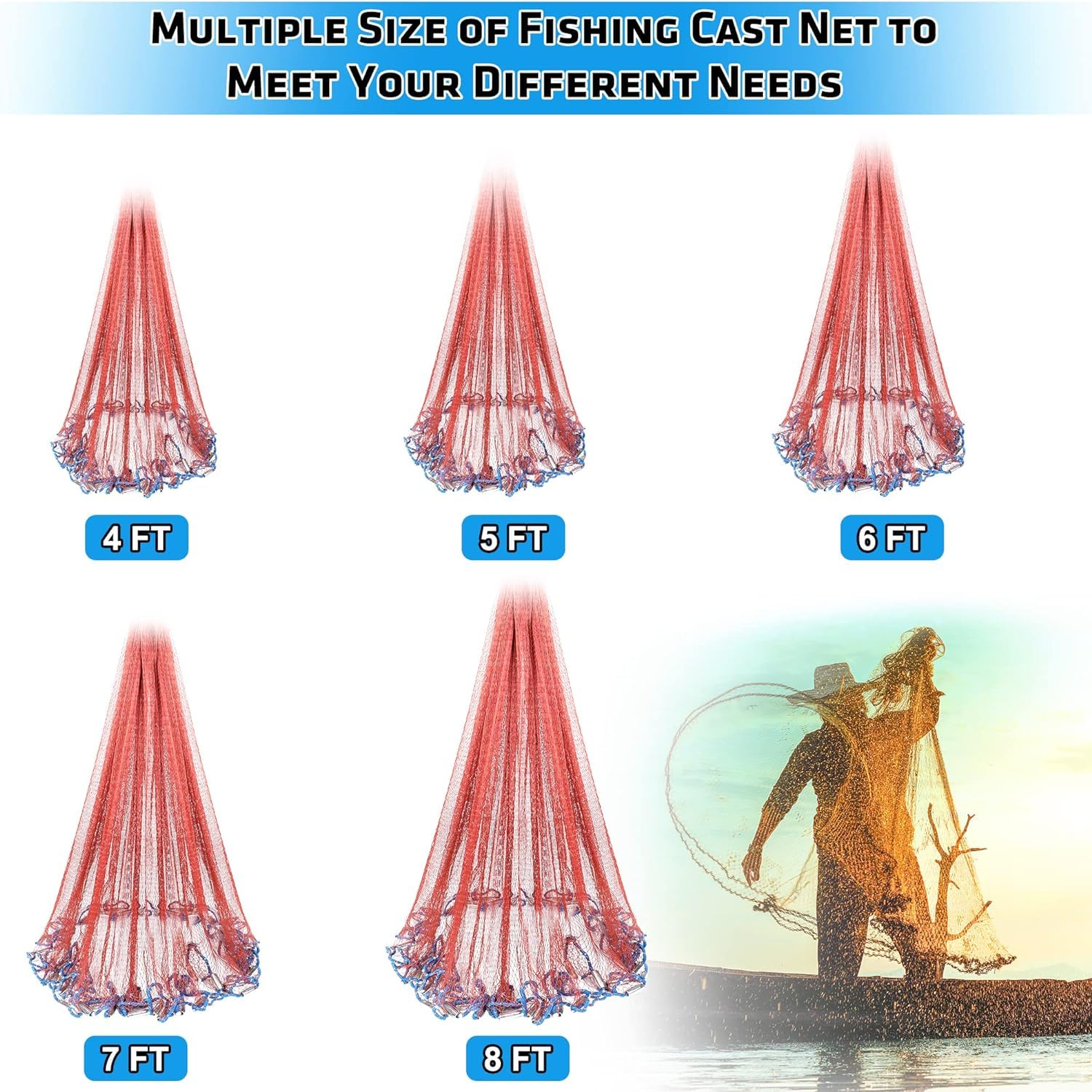
Choosing the right diameter impacts ease of use and catch success.
4-Foot Nets: Best for Beginners
A 4-foot net weighs 3.5 to 4 pounds. It is easy to handle from small boats or shore. This size works best in shallow water from 1 to 4 feet deep. The learning curve is minimal, making it perfect for kids, casual anglers, or tight spaces like canoes.
6-Foot to 8-Foot Nets: Recreational Standard
A 6-foot to 8-foot net covers more surface area. It requires a stronger throw and better technique. This size works best for open banks, docks, or wading in 4 to 6 feet of water. It is more effective for larger schools but demands practice to throw properly.
Check Local Fishing Laws First
Not all fish or locations allow cast net use. Always verify regulations before you cast.
Legal Guidelines to Follow
The permitted species typically include minnows, shad, bluegill, and rough fish. Game fish such as bass and trout must be released immediately if caught. Avoid restricted zones like marinas, private property, or protected waters. Follow bag limits for daily take restrictions. Always check with your state wildlife agency before deploying a net.
Prepare Your Net Before Casting

A quick pre-cast inspection prevents mid-throw failures.
Pre-Throw Checklist
Remove all tangles by lifting the net vertically and running your hands through the mesh and bridle lines. Inspect the lead line to ensure weights are intact and not flipped over the bridle. Check the mesh for tears that could let fish escape. Clear your casting zone to confirm no people, pets, or obstacles are nearby. Assess conditions first, as calm water improves accuracy and high wind makes casting difficult.
Skipping preparation leads to clumped throws and zero catches.
Load the Net the Right Way
Proper loading is the foundation of a clean, full opening. Follow these steps exactly.
Step-by-Step Loading
Secure the wrist loop by placing the hand line loop around your non-dominant wrist. If you are right-handed, use your left wrist. Coil the hand line by making one large, loose loop in your non-dominant hand. Gather the net body by grabbing the net about one foot below the horn with your non-dominant hand. Wrap the net once around your hand. Your dominant hand should grip the lower section and form one tight coil.
Load the lead line by reaching down with your dominant thumb and grabbing only the lead line directly beneath your thumb. Pull inward and let the net fall against your side. Make your final grip by flipping your dominant hand so the net rests on your middle, ring, and pinky fingers. Pinch the lead line between your thumb and index finger. The net should hang freely, ready to swing.
Pro Tip: If the net drags on the ground, fold it slightly to shorten the reach.
Master the Pancake Throw
Use momentum, not muscle, for a full pancake spread.
Body Position and Alignment
Stand with feet shoulder-width apart and knees bent in a slight crouch. Turn sideways with your dominant shoulder facing the target. Keep your eyes on the target area 10 to 20 feet away.
The Casting Motion
Start the swing by moving the net backward away from your body. Bring the net forward in a smooth 180-degree motion, like flipping a pancake. Release at the peak of the arc. Hold the lead line a split-second longer than the rest of the net. This delay forces the edges to spread outward.
Aim and Distance
Target the center of a fish school, not individual fish. The ideal range is 10 to 20 feet. Over-casting reduces accuracy and increases missed catches.
Warning: Jerky or overpowered throws cause wrapping and tangles.
Retrieve Your Catch Properly
Timing and technique maximize your haul.
Let It Sink First
Wait 1 to 2 seconds after casting. This allows the lead line to hit the bottom and seal the net.
Pull to Close
Yank the hand line upward and toward you. The bridle lines cinch the bottom shut, trapping fish inside.
Inspect and Sort
Lift the net carefully and shake out weeds and debris. Remove non-target or undersized fish immediately. Keep only legal species and quantities.
Ethical Note: Quick release reduces stress and boosts survival rates for released fish.
Land Big Fish Safely with a Landing Net
Landing nets prevent lost fish and reduce harm during catch-and-release.
Prepare Before the Fight
Have your net ready, uncoiled, and within reach before the fish approaches. Keep it on your seat or deck, never tangled in gear. If fishing with a partner, let the angler signal when to act.
Rushing in too early spooks fish and risks hook dislodgement.
Scoop, Do Not Stab: The Right Way to Land
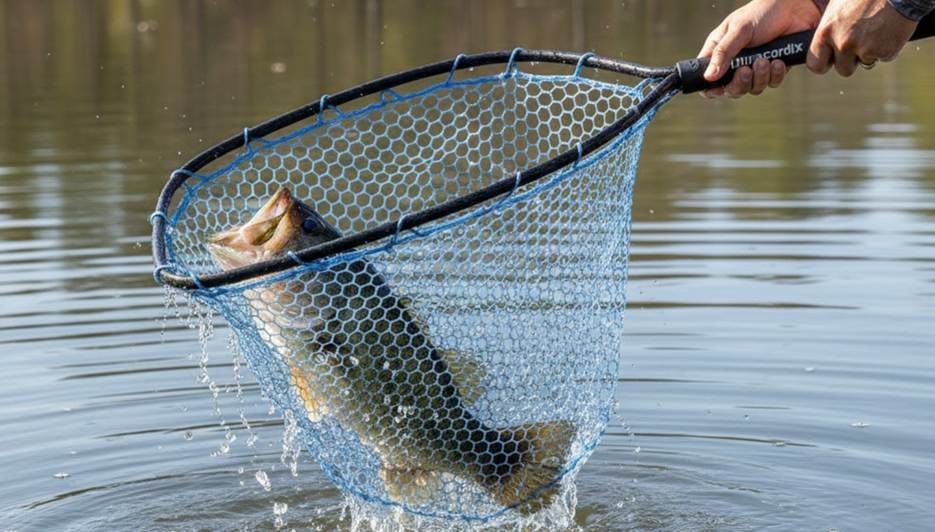
Wait until the fish is tired and near the surface. Submerge the net below the fish. Lift upward in a smooth scooping motion. The fish swims or jumps into the net. This works even if the fish makes a last-second dive or leap.
Never lunge forward directly at the fish with the net frame. Stabbing risks knocking the hook out, injuring the fish, or spooking it into deep water.
Handle Fish with Care
Post-catch treatment affects survival, especially for released fish.
Minimize Stress and Damage
Limit the time fish spend in the net. Use rubberized or knotless mesh nets to protect the slime coat. Never place fish on hot boat decks. Hold fish horizontally, not vertically by the jaw.
Release Protocol
Remove the hook gently using pliers if needed. Hold the fish in the water until it swims away strongly. Take photos quickly while the fish stays submerged.
Clean and Store Your Net Properly
Maintenance prevents rot, tangles, and premature wear.
After-Use Cleaning Steps
Shake out all mud, weeds, and fish scales. Rinse with fresh water if using in saltwater to prevent corrosion. Air dry completely in the shade, avoiding direct sun.
Never store wet. This causes mildew and weakens fibers.
Store to Prevent Tangles
Detach the net from the wrist loop. Spin the net in circles to coil it tightly. Pull the horn through the loop and tighten. Fold the coiled net over itself. Place in a mesh bag or dry container.
Tip: Mesh bags allow airflow. Avoid sealed plastic that traps moisture.
Fix Common Net Problems
Quick fixes get you back in the action fast.
Net Will Not Open
If your net lands in a clump, the lead line was not grabbed properly. Re-load the net and pinch the lead line between your thumb and index finger. If the spread is partial, bridle lines are tangled. Inspect before casting and untwist manually. If the net wraps around your arm, you are over-swinging. Use the net weight for momentum instead of forcing the throw.
Fish Escaping
If you pull too early, the net did not sink fully. Wait 1 to 2 seconds. If you retrieve too slowly, fish escape through the opening. Pull sharply once settled. If you see holes in the mesh, repair or replace the net.
Practice Makes Perfect
You do not need water to improve your technique.
Dry-Land Drills
Practice loading and swinging in a yard or garage. Focus on smooth arcs and precise release timing. Use a target such as a hula hoop to refine your aim. Even 10 minutes of daily practice builds muscle memory.
Final Tips for Success
Maximize efficiency and ethics with these pro insights.
Cast Net Pro Tips
Fish at dawn or dusk when bait schools are most active. Look for surface ripples or diving birds indicating fish activity. Use smaller mesh for tiny bait and larger mesh for panfish.
Landing Net Reminders
Match net size to fish. Too small creates escape risk. Use deep nets for deep-bodied fish like crappie and bluegill. Extend the net handle for boat-side landings.
Frequently Asked Questions About Using a Fishing Net
What is the difference between a cast net and a landing net?
A cast net is a circular net with weighted edges that you throw by hand to catch bait fish. A landing net is attached to a pole and used to scoop a fish that is already hooked on your fishing line.
How do I prevent my cast net from tangling?
Remove tangles before every cast by lifting the net vertically and running your hands through the mesh. Ensure the lead line is not flipped over the bridle lines. Practice proper loading technique with the lead line pinched between your thumb and index finger.
How long should I wait after casting a net before pulling it in?
Wait 1 to 2 seconds after casting. This allows the lead weights to hit the bottom and the net to fully open, trapping fish inside before you retrieve it.
What size cast net should a beginner use?
A 4-foot net is best for beginners. It weighs 3.5 to 4 pounds, is easy to handle, and works well in shallow water from 1 to 4 feet deep.
Can I use a cast net to catch any fish?
No. Local laws typically allow cast nets for minnows, shad, bluegill, and rough fish. Game fish like bass and trout must be released immediately if caught. Always check your state regulations before casting.
How do I land a big fish without losing it?
Use the scoop method. Wait until the fish is tired and near the surface. Submerge the net below the fish and lift upward smoothly. Never stab or lunge at the fish. This approach prevents hook dislodgement and fish injury.
Key Takeaways for Using a Fishing Net

Knowing how to use a fishing net properly transforms your fishing experience. Whether you are throwing a cast net for bait or landing a trophy bass, the right technique ensures more catches, healthier fish, and longer-lasting gear. Master the pancake throw by using momentum rather than muscle power. Perfect the scoop method by waiting until fish are tired before netting them. Always prioritize safety, check local regulations, and practice proper fish handling to ensure sustainable catches. With consistent practice and care, your net becomes one of the most reliable tools in your fishing arsenal.